Most people know “lechaim” as a toast from the movie “Fiddler on the Roof” — a loud exclamation before clinking glasses. But this word carries 2000 years of history, and its true meaning is much deeper than the simple “let's be” from the Hollywood musical. ...
Most people know “lechaim” as a toast from the movie “Fiddler on the Roof” — a loud exclamation before clinking glasses. But this word carries 2000 years of history, and its true meaning is much deeper than the simple “let's be” from the Hollywood musical.
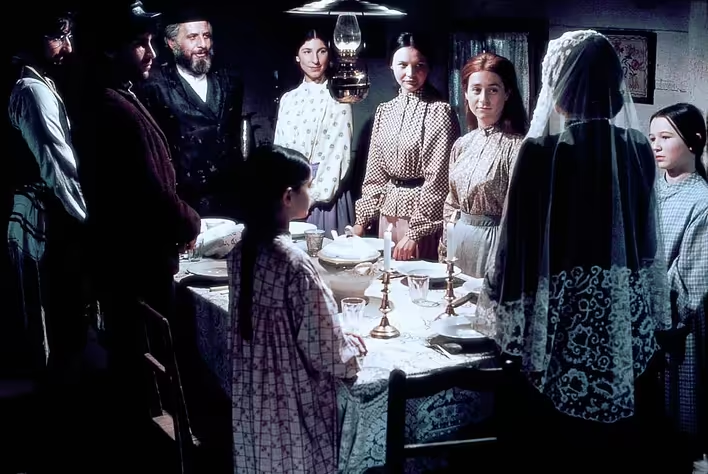
Скрипаль на даху (Fiddler on the Roof, 1971)
What is “lechaim”?
Lechaim (from Hebrew לְחַיִּים) — a traditional Jewish toast that is said before drinking, usually at holidays, weddings, and family gatherings. The word consists of le (“to, for”) and chaim (“life”) — together literally “to life”.
Why is the word in the plural — and what does it really mean
An interesting detail that is rarely explained: “chaim” is the plural form of “chai” (life). Therefore, the literal translation is closer to “to life” — that is, to all present, to each individual, rather than to the abstract “life” in general. This is not a grammatical coincidence, but part of the meaning: the toast is directed at specific people at the table.
Where does the tradition of “lechaim” come from? It’s older than it seems
According to materials from Chabad.org, the tradition of toasting “to life” has Talmudic origins and dates back at least 2000 years. One of the most famous examples is Rabbi Akiva, who proclaimed this formula over every cup at his son's wedding celebration.
The most unexpected detail concerns not the feast, but the court: according to Midrash, when a Jewish court rendered a verdict in a case involving life and death, the judges would ask for the opinion of the witnesses — and a favorable response was marked by the word “lechaim” (“to life”), while an unfavorable one was “le-mita” (“to death”). Thus, the word that today is exclusively associated with festive gatherings historically had a literal, legal meaning — a decision about whether a person should live or not.
The Talmud also separately considered whether the toast “to life” during the drinking of wine was a superstition — ultimately confirming that it is a permitted, rather than pagan, practice.
Why “to life” specifically? The tradition has an explanation
According to sources from Ohr Somayach, the idea of the toast “to life” is connected to the fact that wine in Jewish tradition has a double-edged history: according to some interpretations, the tree of knowledge in the Garden of Eden was a vine, Noah got drunk after the Flood, and Lot lost control due to wine. Therefore, the toast “lechaim” is not just a wish, but a kind of protective formula: a hope that the wine consumed will lead to good, rather than to trouble, as happened in biblical stories.
In Hasidic tradition, there is also an extended response to the toast — “lechaim ve-livracha” (“to life and blessing”), which, according to tradition, was used by Rabbi Dov Ber of Mezeritch, emphasizing that a shared meal reveals emotions that require blessing.
When and where is “lechaim” said?
According to Jewish tradition
“Lechaim” is said before drinking — on Shabbat, at weddings, bar mitzvahs, and other family and religious celebrations. It is not a formality, but a sincere wish for a long and happy life for all present.
In film and popular culture
The song “To Life” (Lechaim) from the musical and film “Fiddler on the Roof” is the main reason why the word is known to millions of people who have no connection to Jewish culture. But it is important to understand: the film shows only the external, festive part of the tradition, without the 2000-year context described above.
In everyday use
Today, the word is sometimes used by non-Jews as a bright, “culturally richer” version of a toast. This is fine — but it is better to use it consciously, understanding that behind the simple exclamation lies a real religious tradition, not just a trendy phrase from a movie.
How to write it correctly: lechaim, lechaim or le'chaim?
In Ukrainian texts, the variants “lechaim” and “lechaim” occur — both are transliterations of the same word from Hebrew, and there is no strict standard. In English texts, it is written as l'chaim or lechaim.
Examples of use
“Let’s raise our glasses — lechaim!”
“At the wedding, everyone shouted "lechaim" together and drank to the newlyweds.”
“There is a wonderful scene in the film where they sing "To Life, Lechaim."
Frequently Asked Questions
Is lechaim just “let's be” in Hebrew?
Functionally — yes, both are toasts before drinking. But “lechaim” has a specific religious and historical background (Talmudic tradition, connection to legal terminology) that is absent in the neutral Ukrainian “let's be.”
What does “lechaim” literally mean?
Literally — “to life” (in the plural, directed at specific people at the table, not to the abstract concept of life).
Where did the connection between “lechaim” and the court come from?
According to Midrash, in cases where the question of life and death was decided, judges would ask for the opinion of witnesses: a favorable response was called “lechaim,” an unfavorable one — “le-mita” (“to death”).
Can non-Jews say “lechaim”?
Yes, it is not a closed phrase. But it is important to understand the context, rather than just repeating the word from the movie — this adds real weight to the toast, rather than turning it into an empty quote.
Mazal tov is one of the most well-known Jewish greetings, often used to express joy and wish good luck. Imagine you are at a wedding or a birthday, and someone exclaims Mazal to...