What is an event: the meaning of the word, types, examples, and its role in the modern world
Event (stress on the second syllable - évent) is a specially organized occasion or event held for a specific audience with a particular purpose. This can be an conference, concert, festival, exhibition, corporate holiday, sports competition, product presen...
Event (stress on the second syllable - évent) is a specially organized occasion or event held for a specific audience with a particular purpose. This can be an conference, concert, festival, exhibition, corporate holiday, sports competition, product presentation, webinar, or any other event that brings people together around a common theme, idea, or activity.
In simple terms, an event is a pre-planned occasion that has organizers, a program, a format, and a clear purpose. It can be held for education, communication, advertising, business development, recreation, charity, or creating a specific emotional experience for participants.
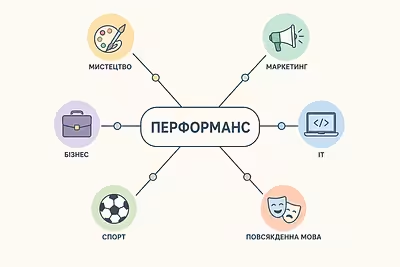
Today, the word "event" is widely used in business, marketing, IT, education, culture, tourism, and show business. Although the Ukrainian equivalents are the words "подія" (event) or "захід" (occasion), the English term has long been established in the professional environment and is increasingly found in everyday speech.
The Origin of the Word "Event"
The word event came into the Ukrainian language from English, where it literally means "event." Its deeper origin is linked to the Latin eventus - "result," "consequence," "that which has happened."
In the Ukrainian linguistic space, the term began to be actively used in the late 1990s - early 2000s along with the development of advertising, PR, marketing, and professional event organization. Initially, it was a word from the professional jargon of holiday organizers, advertising agencies, and large companies. Over time, it spread to education, business, media, IT, and the cultural sphere.
Today, the word "event" refers not only to large concerts or festivals. It is also appropriate for business forums, online conferences, presentations, corporate meetings, educational webinars, professional meetups, and charity events.
Comic-Con International
Which is Correct: Event or Occasion
Both options are correct, but they have different stylistic connotations. The word "захід" (occasion) is the Ukrainian literary equivalent that fits almost any organized event. It is more frequently used in official documents, legislation, educational materials, and business correspondence.
The word "event" is a borrowing from the English language. It is most often used when referring to a modern, professionally organized event with a clear concept, program, branding, script, and defined audience. For example, "захід до Дня міста" (event for City Day) sounds neutral and official, while "міський івент" (city event) hints at a well-thought-out format, atmosphere, promotion, and experience for visitors.
It is also worth remembering the stress: it is correct to say évent, with the stress on the second syllable.
How an Event Differs from a Regular Occasion
At first glance, the words "подія" (event), "захід" (occasion), and "івент" (event) may seem like complete synonyms. In reality, there is a noticeable difference between them.
An occasion can be called any important or interesting situation. The birth of a child, the opening of a bridge, the victory of a sports team, or an unexpected meeting are occasions, even if no one specifically organized them.
Occasion refers to organized activities. Occasions include lessons, meetings, lectures, concerts, exhibitions, conferences, or public discussions. In this word, the main emphasis is on the fact of conducting a certain organized activity.
An event is usually referred to as an occasion that has a carefully thought-out concept, script, team of organizers, visual design, communication with the audience, and a specific goal. Its task is not only to gather people but also to create a certain experience or impression for them. That is why a presentation of a large company, a music festival, or an international business forum is much more often called an event.
How to Understand That an Occasion is an Event
Not every occasion can be called an event. In everyday life, dozens of situations happen to us every day: meeting with friends, going to the store, family dinner, or casual conversation. However, an event becomes only that occasion which was specially organized and has a clear purpose.
Such an occasion is usually planned in advance. Organizers determine the date, venue, program, budget, and circle of participants. Most events have a responsible person or an entire team that prepares and coordinates processes during the event.
Another important characteristic is the presence of a specific goal. One occasion is organized to present a new product, another for training, a third to unite a team, or to raise funds for charity. It is this defined goal that distinguishes an event from regular leisure or a casual meeting.
The audience also plays an important role. Almost every event is created for a specific group of people: company clients, employees, students, entrepreneurs, athletes, journalists, or anyone interested. The format, program, venue, and method of communication depend on who becomes a participant.
At the same time, scale is not the main characteristic. An event can be both an international forum with thousands of participants and a local lecture for twenty people. If the occasion has a concept, organizers, a program, and a clear goal, it can definitely be called an event.
Types of Events
ted talks
The event organization industry covers dozens of areas. All of them have a common foundation: they unite people around a specific theme, activity, or idea. At the same time, each type of event has its own logic, audience, and way of being conducted.
Business Events
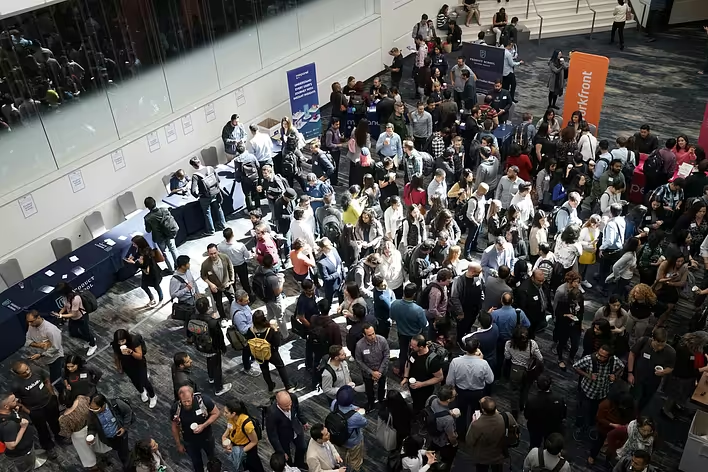
This category includes conferences, forums, exhibitions, business breakfasts, round tables, product presentations, and industry meetings. They are held for sharing experiences, developing professional contacts, presenting new ideas, or finding partners. In this direction, the program, the reputation of speakers, the quality of organization, and networking opportunities are particularly important.
Educational Events
Educational occasions help acquire new knowledge and skills. These are webinars, seminars, master classes, lectures, training sessions, intensives, and open lessons. They can be conducted by educational institutions, online schools, experts, companies, or professional communities.
Corporate Events
Such occasions are organized for company employees. They include corporate holidays, company anniversaries, team buildings, internal conferences, employee awards, and off-site team meetings. Their goal is not only to entertain people but also to strengthen team spirit, improve communication, and create a shared sense of belonging to the company.
Entertainment Events
These are the ones most familiar to people. They include concerts, festivals, fairs, sports tournaments, theatrical performances, shows, themed parties, and city celebrations. Here, atmosphere, emotions, program quality, guest convenience, and the overall impression of the event are particularly important.
Charity Events
Charity concerts, auctions, marathons, fairs, and sports runs are organized to raise funds or draw attention to socially important issues. These events combine organizational work, communication with the audience, and a clear explanation of the purpose for which people join.
Online Events
After the rapid development of digital technologies, online occasions have gained significant popularity. These include webinars, online conferences, live broadcasts, virtual exhibitions, and digital forums. Their participants can join from anywhere in the world, and organizers can reach a much wider audience without being tied to a specific city or location.
How Events are Organized
Even a small occasion requires careful preparation. Organization usually begins with defining the goal: education, sales, advertising, recreation, team development, fundraising, or community building.
After that, a budget is created, the audience is determined, and a date and venue are chosen. Next, the program is formed, speakers or artists are invited, an advertising campaign is prepared, participant registration is opened, and contractor work is coordinated.
On the day of the event, organizers control every stage - from meeting guests to the end of the program. After the occasion, they often analyze participant numbers, feedback, financial results, advertising effectiveness, and achievement of set goals. This analysis helps to understand what went best and what should be improved next time.
Who Works on Organizing Events
Most large occasions are created not by one person but by an entire team. The central figure is usually the event manager, who coordinates the preparation process, monitors deadlines, communicates with contractors, and is responsible for the overall result.
In addition to them, coordinators, directors, scriptwriters, designers, hosts, photographers, videographers, sound engineers, lighting technicians, technical specialists, decorators, catering companies, security, volunteers, and many other professionals may be involved.
The larger the event, the more people participate in its preparation. At large festivals or international forums, the team can consist of hundreds of workers, each responsible for their part of the process.
The Event Industry: What Happens Behind the Scenes of Events
Behind every successful concert, conference, or festival is a large number of people and companies that often remain unnoticed by guests. They form the event industry - a separate sphere that deals with the organization, promotion, and conduct of various events.
Just a few decades ago, many holidays, presentations, or business meetings were organized by companies themselves. Today, this work is increasingly entrusted to professionals. There are event agencies that can take full responsibility for preparing an occasion - from developing the concept to dismantling decorations after the program ends.
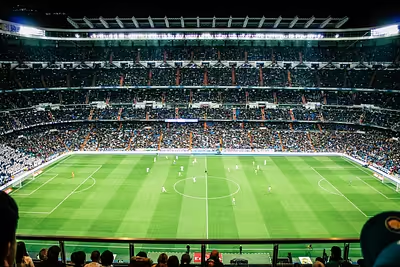
An important part of the industry is venues for events. These include concert halls, conference centers, exhibition complexes, sports arenas, hotels, restaurants, museums, parks, and even historical landmarks. The choice of location often determines the atmosphere of the event as much as its program.
A separate development direction is digital and hybrid formats. Thanks to modern technologies, it is possible to hold international conferences, training courses, or presentations without the physical presence of all participants. The online format reduces costs, expands the geography of the audience, and makes knowledge more accessible.
In fact, one large event can create jobs for hotels, restaurants, transport companies, designers, technical services, advertising agencies, photographers, videographers, and dozens of other professions. Therefore, an event is not just a separate occasion but part of a large system that is constantly evolving and influencing many related fields.
What Skills are Needed to Organize a Successful Event
At first glance, it may seem that organizing an occasion is not difficult: just find a venue, invite guests, and create a program. In reality, preparing even a small event requires knowledge, experience, and the ability to respond quickly to unforeseen situations.
One of the most important skills is planning. Organizers must think through the budget, location, program, advertising, participant registration, contractor work, and technical support. If even one link in this chain fails, it can affect the entire event.
Equally important is the ability to communicate with people. During preparation, it is necessary to interact with clients, speakers, artists, venue administration, journalists, and participants. The organizer must negotiate, find compromises, and quickly resolve conflict situations.
Time management is also significant. Event preparation is almost always associated with strict deadlines, as it is usually impossible to postpone the date of a concert, conference, or festival due to the unpreparedness of certain elements.
Another important trait is stress resistance. Even a perfectly planned event can be accompanied by unexpected problems: delays in equipment, late speakers, weather changes, technical malfunctions, or other force majeure situations. The team's task is to quickly find solutions so that guests do not feel chaos behind the scenes.
The Most Common Mistakes in Event Organization
Even the most interesting idea does not guarantee the success of an occasion. The experience of organizers shows that most unsuccessful events have similar reasons, and a significant portion of problems can be anticipated at the preparation stage.
One of the most common mistakes is an unclear goal. If organizers themselves cannot answer why they are holding the event, participants are unlikely to understand its value either. A successful event always has a specific task: to educate, to introduce people, to present a product, to unite a team, or to raise funds for charity.
Equally important is correctly identifying the audience. A program that will interest students is unlikely to engage experienced entrepreneurs, while a children's holiday requires a completely different approach than a professional conference. The better organizers understand their guests, the higher the chances that the event will meet expectations.
Another typical problem is an unsuccessful choice of venue or timing. A space that is too small creates discomfort, while one that is too large may seem half-empty. It is also important to consider seasonality, weather conditions, holidays, major city events, and transportation accessibility of the location.
Technical preparation is often underestimated. Problems with sound, lighting, projectors, internet, or power supply can spoil the impression even of a wonderful program. That is why a rehearsal is usually conducted before the start of the event, and equipment is checked.
Another mistake is the absence of a backup plan. If the event takes place outdoors, it is worth thinking in advance about actions in case of rain. If an invited speaker cannot arrive, an alternative scenario is needed. Professional organizers almost always prepare several options for the development of events.
How Events Came to Be: A Brief History of Organized Occasions
Although the word "event" entered the Ukrainian language only in the late 20th century, the tradition of organizing large occasions has existed for thousands of years. People have always gathered together to celebrate, learn, trade, compete, or honor important events.
Some of the first large organized occasions were religious holidays and fairs in Ancient Egypt and Mesopotamia. They gathered many people, and their conduct required preparation: determining the place, time, order of ceremonies, responsible persons, and routes for participants.
A special place in history is held by the athletic festivals of Ancient Greece. The most famous of these were the Olympic Games, which were held every four years and gathered athletes and spectators from various city-states. These were not only sports competitions but also cultural and social events that contributed to the development of trade, art, and diplomatic relations.
In Ancient Rome, gladiatorial battles, theatrical performances, and festive processions were popular. Amphitheaters were built for them, capable of accommodating tens of thousands of spectators. Organizing such spectacles required complex logistics, security, and the work of artists and technical personnel.
In medieval Europe, fairs, knight tournaments, and city festivals played an important role. They attracted merchants, craftsmen, travelers, and artists, contributing to economic development and cultural exchange between regions.
A new stage began in the 19th century when international exhibitions became popular. It was then that countries began to showcase their scientific discoveries, industrial achievements, and cultural accomplishments to a wide audience. Such occasions already resembled modern exhibitions, forums, and business conferences.
In the 20th century, along with the development of advertising, television, and international business, the need arose for specialists who professionally engaged in event organization. It was then that the modern event industry began to take shape, and the profession of event manager became a separate area of activity.
The Most Famous Events in the World
Tomorrowland
Every year, tens of thousands of large occasions take place around the world, but some of them have long become symbols of their industries.
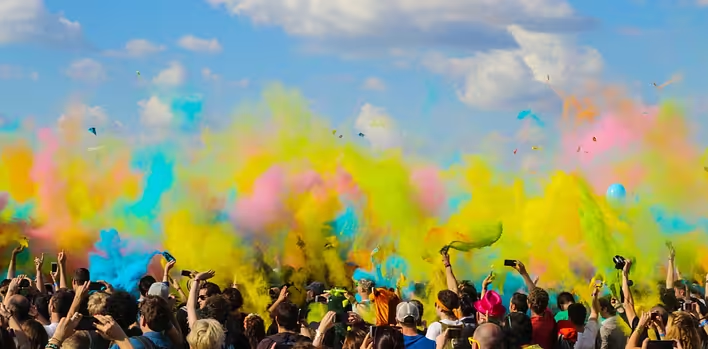
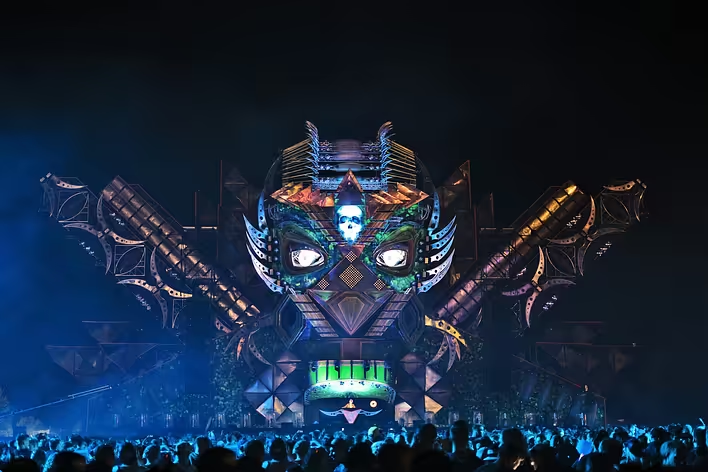
Among the most famous musical events, a special place is held by Tomorrowland - an electronic music festival known for its grand stages, theatrical atmosphere, and large international reach. For many electronic music fans, it is not just a concert but a whole world with its own aesthetics.
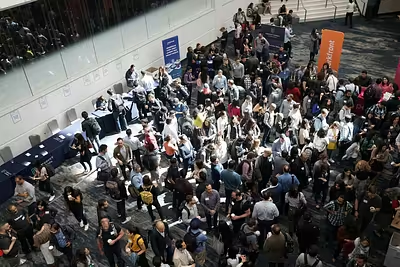
In the technology sphere, one of the most important events is CES, where leading companies present new devices, concepts, and innovative solutions. It is at such exhibitions that technological trends can often be seen before they become part of everyday life.
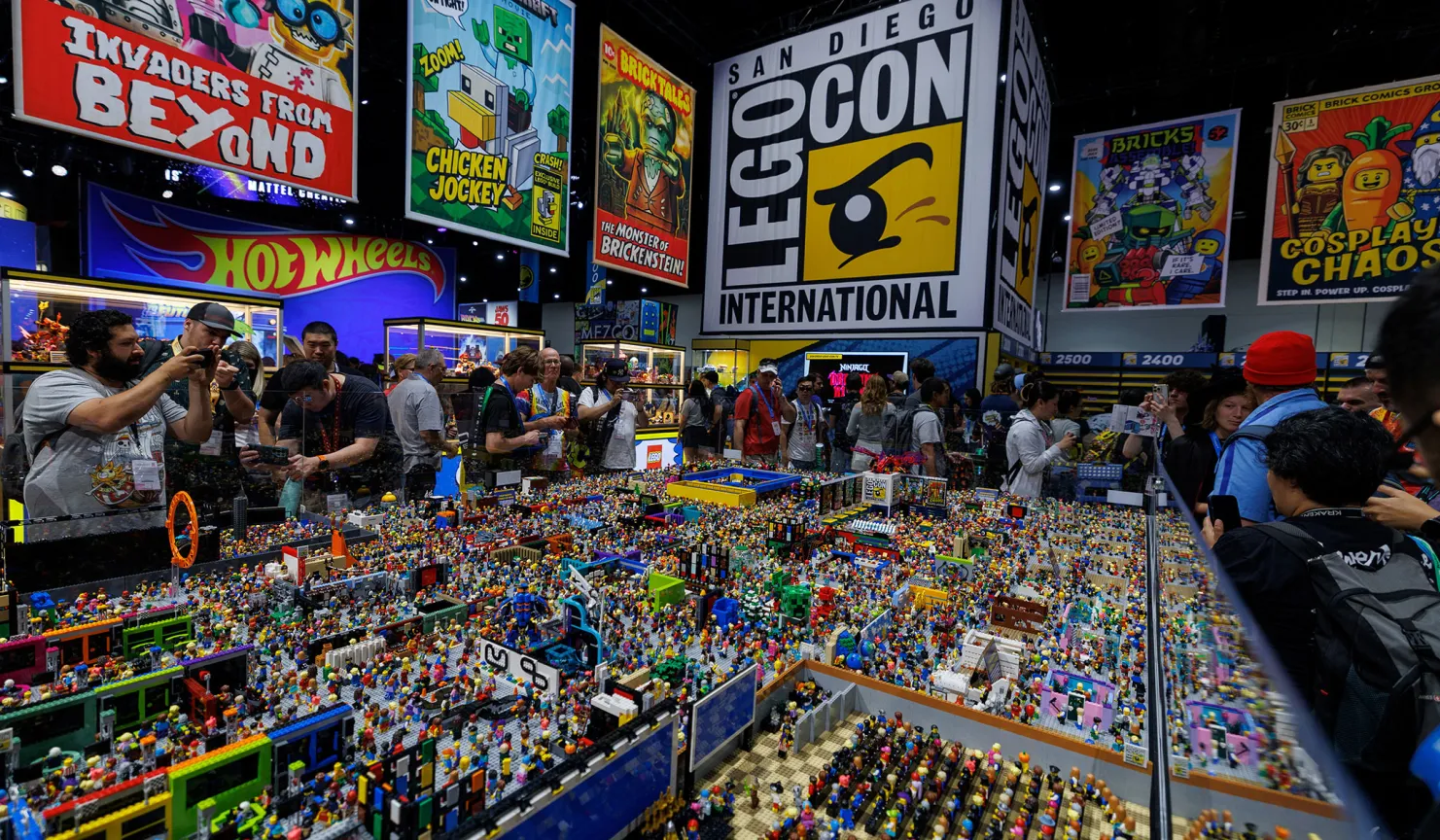
Comic book, movie, and pop culture fans are well aware of Comic-Con International in San Diego. This event has long transcended comics and has become one of the main global platforms for presentations of films, series, games, and fan culture.
For entrepreneurs, scientists, and researchers, the TED Conference holds great authority. Its format of short talks has helped popularize the idea of accessible knowledge dissemination, and recordings of lectures have become well-known far beyond the conference itself.
Another unique example is Burning Man - an event that combines contemporary art, experiments with space, a temporary community, and principles of self-organization. It is often viewed not just as a festival but as a cultural phenomenon.
Interesting Facts About Events
Event organization has existed as long as human civilization. Even in ancient times, people gathered for religious holidays, sports competitions, fairs, and ceremonial events. However, the modern event industry is significantly different from those occasions and is a much more complex system.
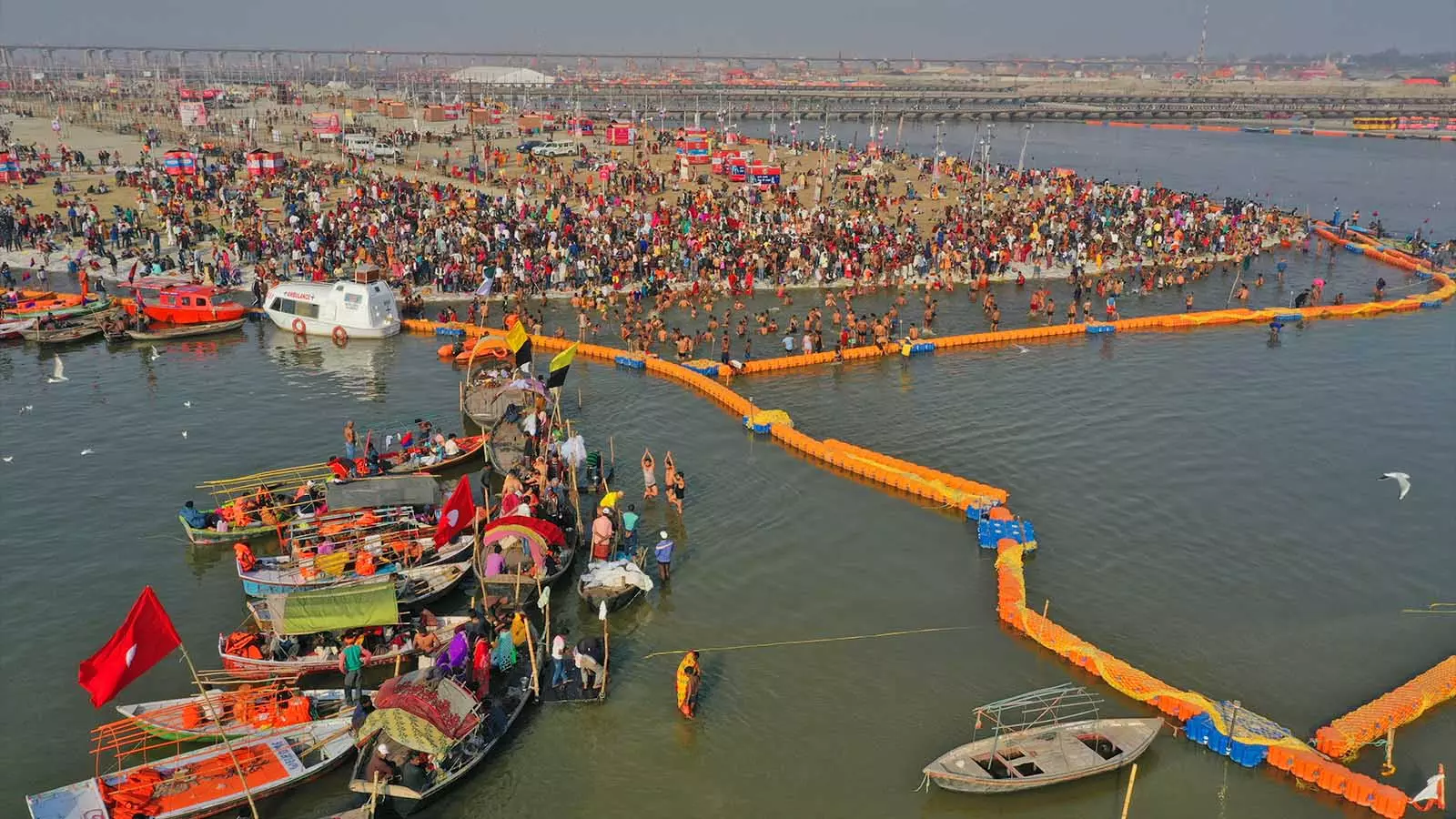
One of the largest regular gatherings in the world is the Hindu tradition festival Kumbh Mela, held in India. For several weeks, millions of pilgrims attend it, so this event is often mentioned among the largest human gatherings in history.
Large music festivals sometimes resemble temporary cities. Stages are built for them, communications are laid, transport, medical points, security services, food zones, and relaxation spaces are organized. Preparing such events can begin a year or even earlier.
International exhibitions and technology conferences also impress with their scale. Companies spend significant resources on booth design, new product presentations, and demonstrations of developments, as participation in such events is an important part of many brands' marketing strategies.
Interestingly, after the conclusion of a large event, the work of organizers does not end. They analyze participant feedback, attendance statistics, financial results, and the effectiveness of the advertising campaign. This stage helps improve future events.
What the Future of Events Will Be
The event organization industry is constantly changing, responding to technological advancements and new participant expectations. If previously the main goal was simply to gather people in one place, today organizers strive to create the most comfortable, interesting, and personalized experience for guests.
One of the main development directions has become hybrid events, which combine offline and online formats. Some participants attend the event in person, while others join via the internet from anywhere in the world. This approach makes events more accessible and significantly expands their audience.
Artificial intelligence is also being used more actively. It helps analyze participant preferences, automate registration, create individual program recommendations, answer guest questions using chatbots, and predict visitor numbers.
Technologies for interacting with the audience are also noticeably changing. Electronic tickets, QR codes, mobile applications, contactless payments, interactive maps, and digital badges have already become commonplace for many large events. This allows for faster guest registration, simplifies navigation, and improves the overall experience of attending.
At the same time, environmental sustainability is becoming increasingly important. Organizers strive to reduce the use of single-use plastics, switch to electronic programs instead of printed ones, implement waste sorting, and encourage guests to use public transport or carpooling.
Despite all the technological innovations, the main value of events remains unchanged. People attend such occasions not only for information but also for emotions, new acquaintances, inspiration, and the opportunity to communicate in person.
Frequently Asked Questions
How to Say It Correctly: Event or Occasion?
Both options are correct. In everyday and professional communication, the word "event" is often used, while in official documents, "occasion" is usually written.
What is the Stress in the Word "Event"?
The correct option is évent, with the stress on the second syllable.
Can an Online Occasion Be an Event?
Yes. Webinars, online conferences, virtual exhibitions, live broadcasts, and digital forums also belong to events.
Can All Occasions Be Called Events?
Not quite. Any event is an occasion, but not every occasion is called an event. This term is usually used for professionally organized occasions with a clear concept, script, and defined audience.
Who Organizes Events?
Event managers, specialized event agencies, or teams of specialists engage in organizing occasions. They may include coordinators, designers, technical personnel, hosts, photographers, catering companies, and other specialists.
The word "event" has long ceased to be just a professional term for event organizers. Today, it denotes a wide variety of occasions - from small master classes and webinars to international conferences, music festivals, and large business forums.
The main feature of an event lies not in the size of the budget or the number of guests but in thoughtful organization. Such an occasion has a goal, an audience, a program, responsible people, and a certain experience that participants receive. That is why events have become an important part of modern business, education, culture, charity, and everyday life.
Regardless of the format, a successful event always does more than just gather people in one place. It creates impressions, helps exchange knowledge, find new contacts, promote ideas, and form communities. This is why the event organization industry continues to evolve, and the profession of event manager is becoming increasingly important.
What is a conferenceA conference is one of the most common types of events, during which people gather to exchange knowledge, experiences, research results, or professional comm...