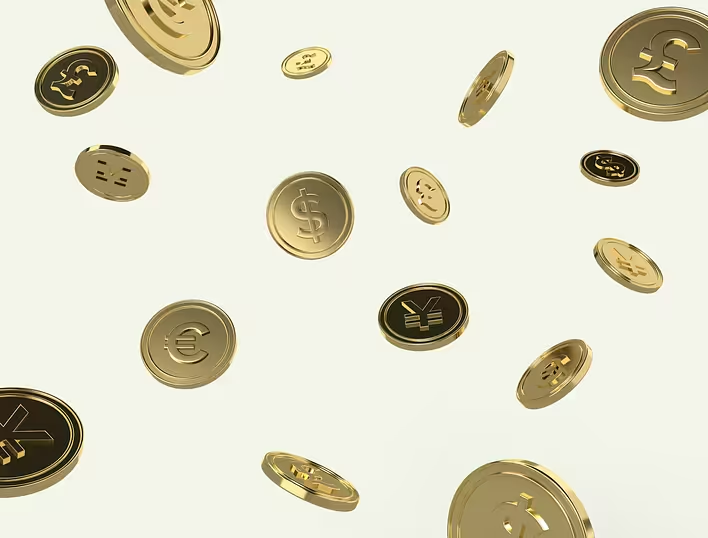


Have you ever wondered why there are always different images on both sides of coins? Do you know that one of these sides has its own name – the obverse? Let's uncover this mystery together and learn more about what the obverse of a coin is.
What is the obverse?
The obverse is the front side of the coin. It is usually where the main images or symbols that identify the country or event the coin is dedicated to are placed. If you hold a coin in your hands, the obverse is what you will see first. In most cases, you can find portraits of rulers, coats of arms, or other significant symbols on the obverse.
Why is it important to know about the obverse?
Knowledge about the obverse can be useful not only for collectors but also for ordinary people. For example, if you travel and receive change in foreign currency, the obverse will help you quickly identify which country the coin belongs to. Additionally, understanding the terminology can be helpful when buying or selling collectible coins.
What does the obverse look like?
-
Portraits: Many countries use the obverse to depict portraits of famous historical figures or current leaders. For example, British pounds often feature portraits of Queen Elizabeth II.
-
Coats of arms and symbols: Some countries choose to depict a coat of arms or other national symbols on the obverse. For example, Ukrainian hryvnias often feature the trident – the coat of arms of Ukraine.
-
Thematic images: In the case of commemorative or anniversary coins, the obverse may depict events or places of special significance.
Synonyms and related terms
- Reverse – the opposite side of the coin, usually contains the denomination.
- Edge – the side part of the coin.
- Numismatics – the study of coins and medals.
Practical tips for collectors
If you are just starting to collect coins, pay attention not only to the reverse (where the denomination is indicated) but also to the obverse. It can tell you a lot about the history and culture of the country. Here are a few tips:
-
Research the symbolism: Analyze the meanings of the symbols and portraits on the obverse. This will help you better understand the historical context.
-
Pay attention to details: Different editions of the same coin may have slight differences in the design of the obverse.
-
Use specialized catalogs: They will help you determine the rarity and value of coins based on their obverse.
Interesting facts
-
In ancient Rome, the obverses often depicted gods or emperors to emphasize their grandeur.
-
In some countries, there are laws regulating the design of the obverse. For example, in the USA, it is prohibited to change the portraits of presidents on dollars.
So now you know more about what the obverse is and why it is important not only for numismatists. The next time you hold a coin in your hands, pay attention to its front side. It can tell you a lot about the history and culture of the issuing country. And remember: knowledge is power!