

Have you ever wondered what a pit stop is and how it works? If you think it's something complex and mysterious, you're not alone. Many people have only heard about pit stops in the context of motorsport, but in reality, this term can be useful in many areas of life. Let's figure it out together!
What is a pit stop?
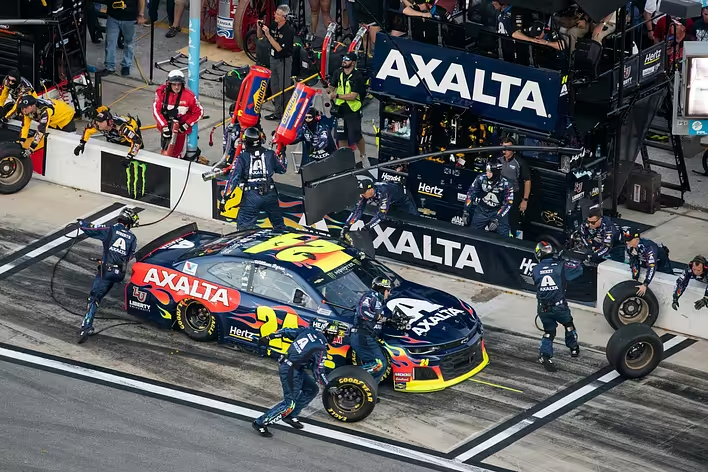
A pit stop is a brief stop of a car during a race for maintenance. Imagine this: a racer is speeding at high speed, but suddenly needs to stop to change tires or refuel. This is where the pit stop comes into play.
In translation from English, “pit stop” means “stop in the pit.” It's not just a pause, but a strategic moment when every second counts. That's why the team of mechanics operates like a well-coordinated orchestra to get the car back on the track as quickly as possible.
How does a pit stop work?
-
Preparation: Before the race begins, the team carefully prepares everything needed for the pit stop. This includes tools, spare parts, and fuel.
-
Signal: The racer receives a signal from the team that it's time for a pit stop. Often, this decision is made based on data about tire wear or fuel levels.
-
Stop: The car enters a special service area — the “pit lane.” Everything happens in a flash here: tire changes, refueling, and even minor repairs.
-
Race recovery: After completing all necessary procedures, the car returns to the track.
This process can take just a few seconds, but those seconds can determine the outcome of the race.
Why is a pit stop important?
A pit stop is not just a technical stop; it's a strategic element of racing. The effectiveness of it determines the team's result. Imagine trying to win a marathon, but your shoelaces are untied. A pit stop is an opportunity to quickly fix the problem and continue the fight.
Where else is the pit stop concept used?
Although the term “pit stop” comes from motorsport, its concept has found application in other areas of life:
- Business: When a company needs a quick update of its strategy or resources.
- Medicine: Hospitals often use “medical pit stops” for quick diagnosis and treatment of patients.
- Personal life: Even in everyday life, sometimes a short pause is needed to recharge energy.
Practical tips
If you want to apply the concept of a pit stop in your life or business, here are a few tips:
- Plan ahead: Always have an action plan for unforeseen circumstances.
- Optimize processes: Think about how you can reduce the time spent on routine tasks.
- Learn from professionals: Observe how experts in their field do it, and adapt their methods to your needs.
A pit stop is not just about speed and technique; it's about how to effectively use time and resources. Whether you're driving a car on the track or managing your own life, it's important to know when to take a break to recharge.
So, the next time you hear the word “pit stop,” remember: it's not just a break, but an opportunity to become better!