Eames Lounge Chair: how design became a symbol of comfort and status
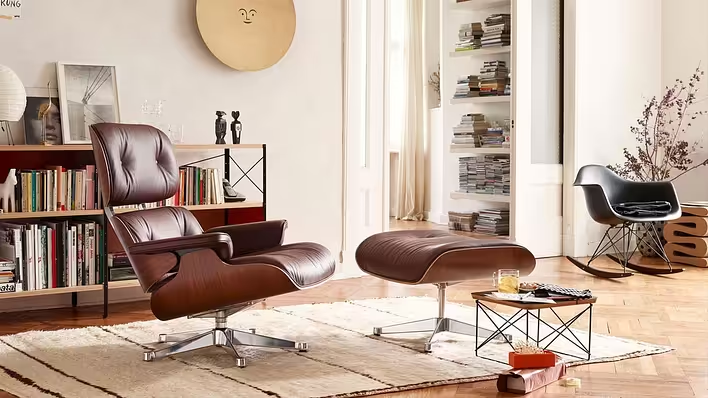
The Eames Lounge Chair is one of the most famous pieces of furniture design of the 20th century. Created in 1956 by Charles and Ray Eames, it quickly became an icon of American modernism and an example of how to combine luxury with everyday comfort. Idea: c...
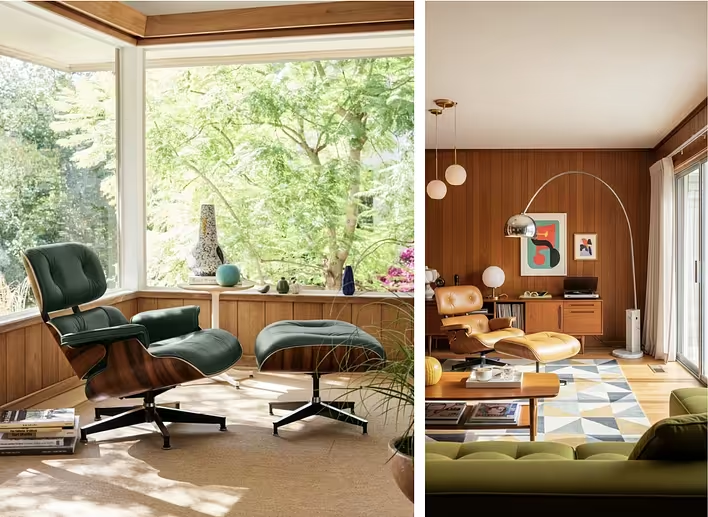
The Eames Lounge Chair is one of the most famous pieces of furniture design of the 20th century. Created in 1956 by Charles and Ray Eames, it quickly became an icon of American modernism and an example of how to combine luxury with everyday comfort.
Idea: comfort as the main value
Unlike many mid-century modern furniture pieces that often looked restrained and even harsh, the Eameses aimed to create something more human. Their goal was simple yet ambitious: to make a chair that resembled "a warm, soft, slightly worn baseball glove." It was not just about physical comfort, but also about the emotional feeling — an object you want to sink into, relax in, and stay in for a long time.
Plywood bending technology
The foundation of this design was the plywood bending technology that Charles and Ray Eames had been developing since the 1940s. They experimented with thin layers of wood, glued together and shaped under heat and pressure. This approach allowed for smooth, organic forms without sacrificing strength.
The essence of the technology lies in creating multi-layered plywood, where each layer is laid at a specific angle to the previous one. After this, the blank is placed in special molds and subjected to heating and pressing. As a result, the wood "remembers" the shape, becoming stable and resistant to deformation.
For the Eames Lounge Chair, this technology was refined: the bent panels were created separately — for the backrest, seat, and headrest. This allowed for more precise ergonomics and made the seating as natural as possible. At the same time, the appearance remained light and elegant, despite the complexity of the design.
It is also important that the Eameses were able to adapt this process for mass production without sacrificing quality. This became one of the key moments that influenced the further development of furniture design worldwide.
Materials and form
The chair consists of three curved plywood shells upholstered in leather, along with soft cushions. It is complemented by a separate footstool that enhances the feeling of relaxation and completeness of the composition.
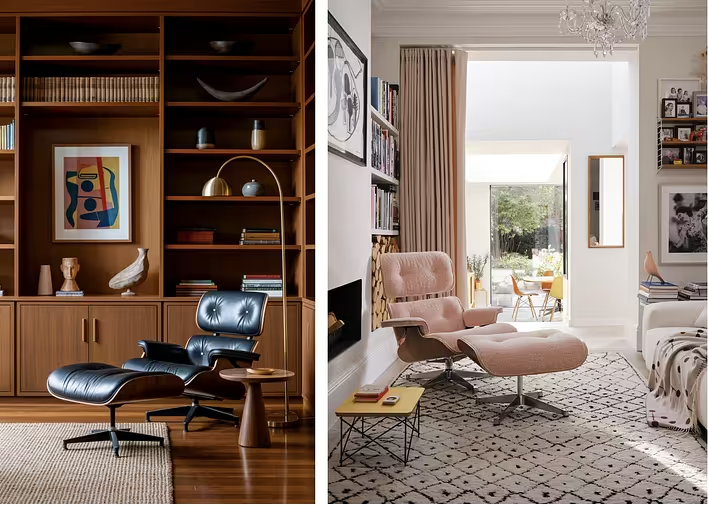
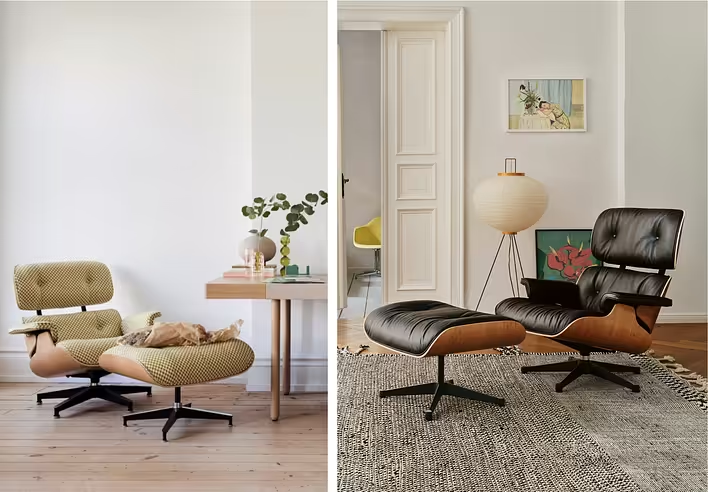
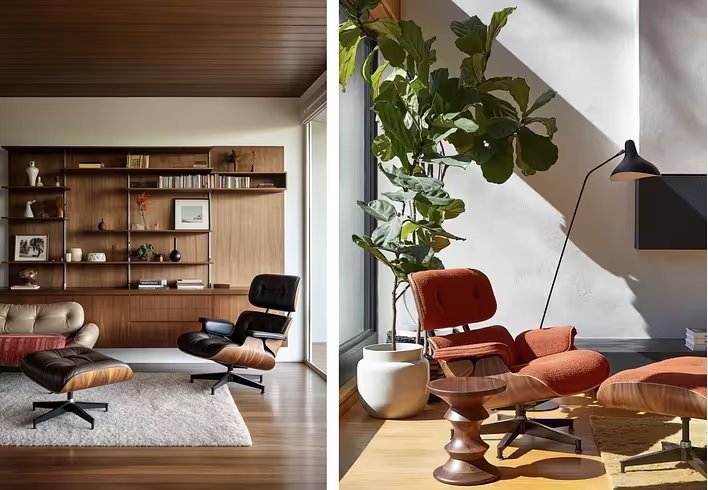
The contrast between the warm texture of the wood and the softness of the leather creates a distinctive image — both elegant and cozy. Thanks to this, the chair fits organically into both residential interiors and more formal spaces.
Symbol of status and cult object
From the very beginning, the Eames Lounge Chair was perceived not just as furniture, but as an object with character and certain cultural significance. It was not a mass product in the usual sense — rather an object that demonstrates an attitude towards design, attention to detail, and a willingness to invest in quality.
Over the years, the chair has solidified in the imagination as an attribute of intellectual luxury. It is often seen in interiors where ostentatious pomp is not important, but rather a thoughtful aesthetic. It is associated with a space that values comfort, tranquility, and time for oneself — whether it be a home office or a stylish living room.
The cultural influence of this object was also enhanced by its appearances in film, photography, and media. Images of the chair have repeatedly been used as a visual symbol of success, taste, and a certain lifestyle. As a result, the Eames Lounge Chair has become not just a design object, but a recognizable element of visual culture that has maintained its relevance for over half a century.
There is a management trap: a leader implements new tools, builds processes, cuts costs - and at the same time, half of the team's energy goes into internal conflicts, misunders...