Memphis Group: How Italian Rebels Ruined the Canons of Design
The history of the Memphis group began on a December evening in 1980 in the Milan apartment of architect Ettore Sottsass. To the sounds of Bob Dylan's song "Stuck Inside of Mobile with the Memphis Blues Again," a group of young designers gathered, tired of ...
The history of the Memphis group began on a December evening in 1980 in the Milan apartment of architect Ettore Sottsass. To the sounds of Bob Dylan's song "Stuck Inside of Mobile with the Memphis Blues Again," a group of young designers gathered, tired of the dominance of functionalism, restraint, and "good taste." They sought to create something radically new — a design that was bright, ironic, and emotional. Thus, Memphis was born — a movement that became the main manifesto of postmodernism in interiors.
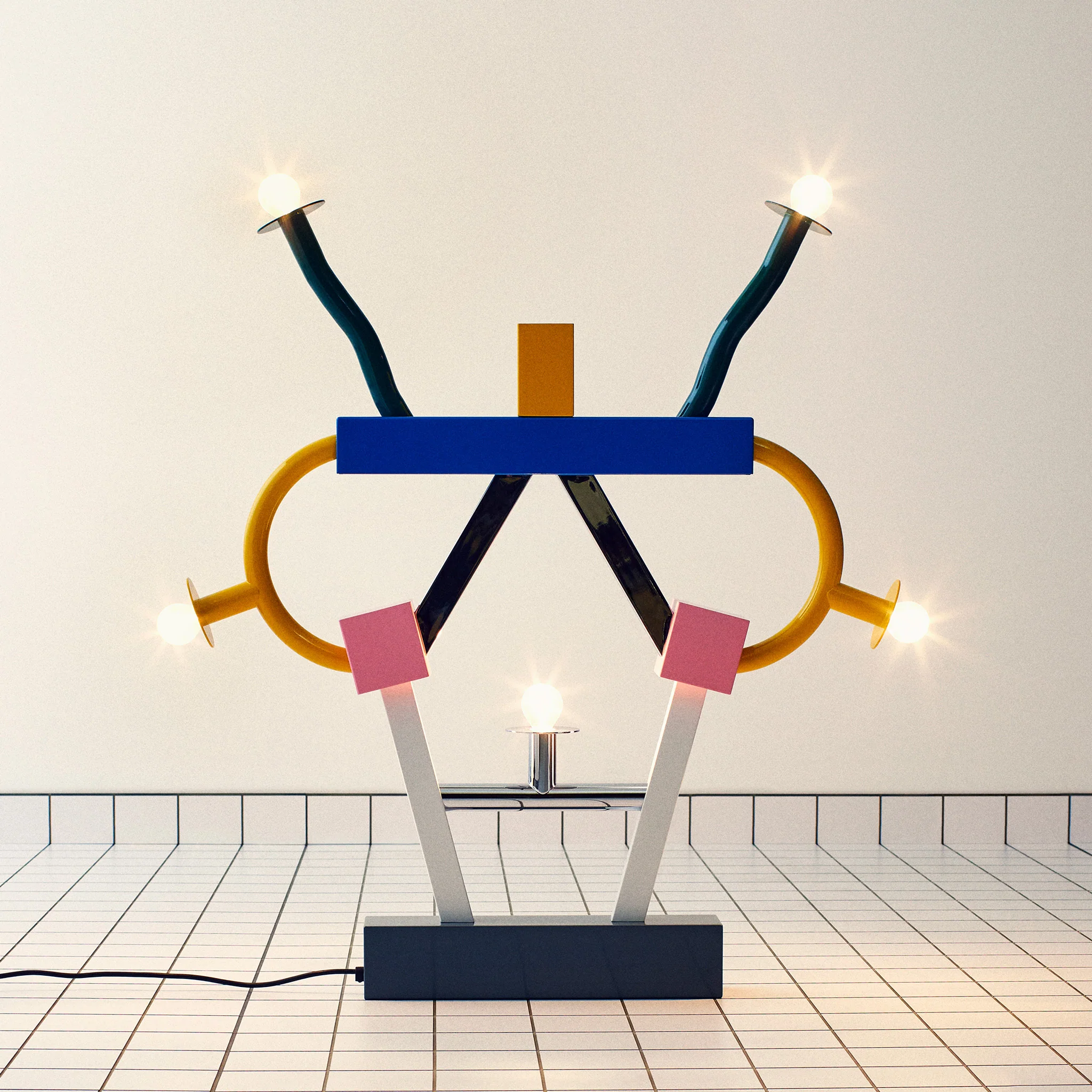
Лампа Ashoka (Етторе Соттсасс, 1981)
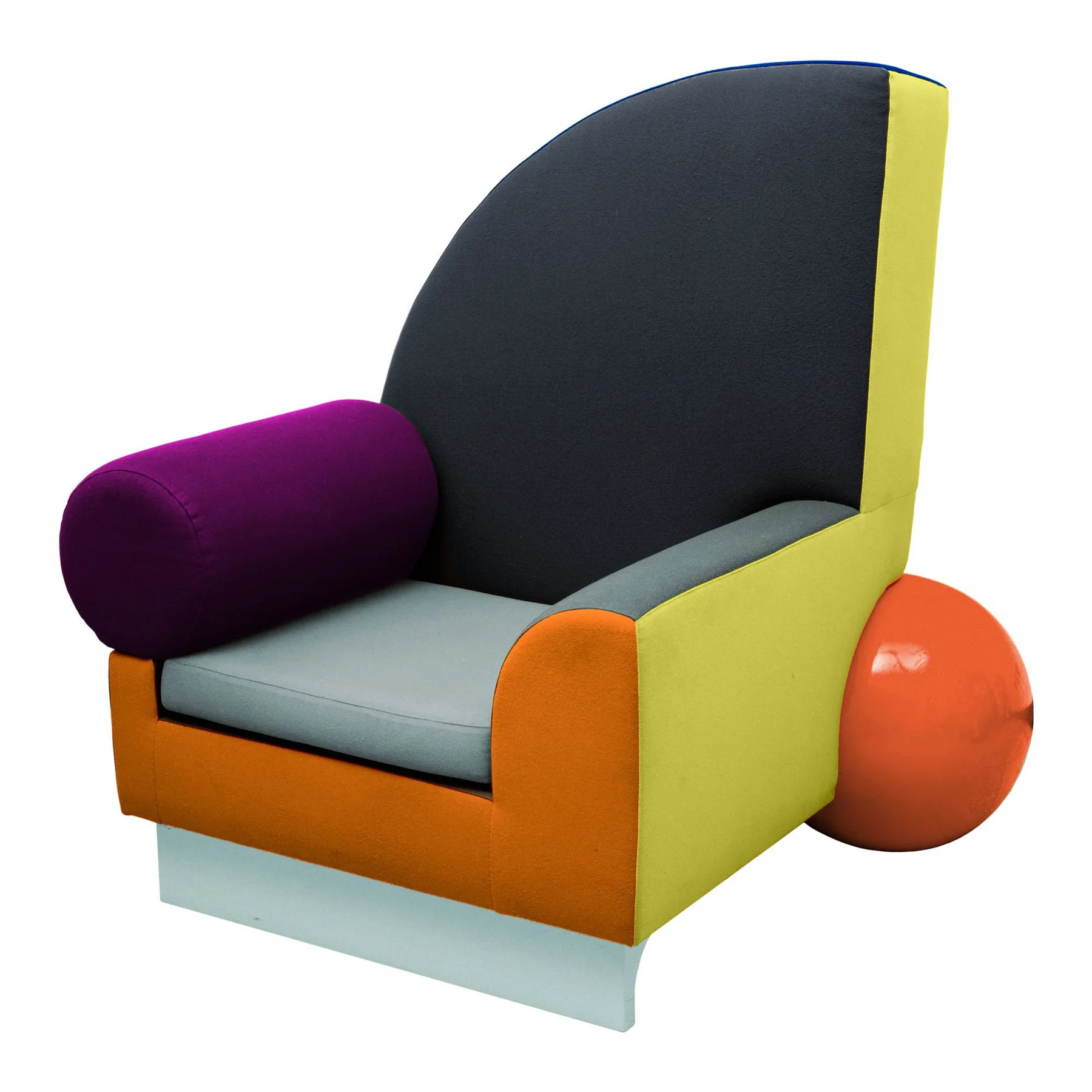
Крісло Bel Air (Пітер Шайр, 1982)
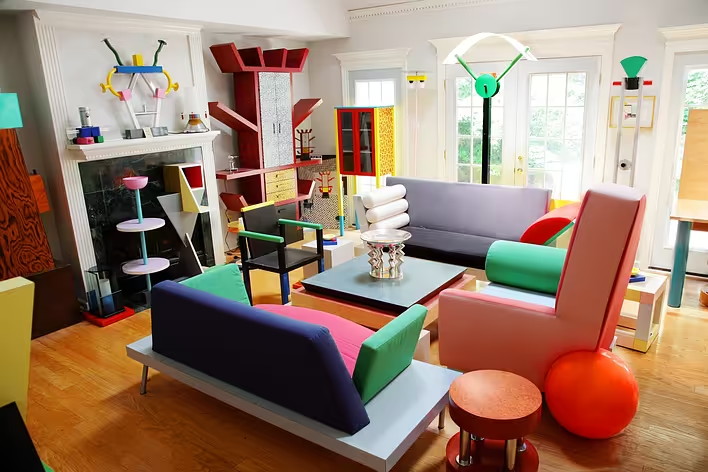
The philosophy of the Memphis group was based on the denial of the strict rules of modernism, where "form follows function." For Sottsass and his like-minded colleagues, function was just one characteristic of an object, but not the most important. They believed that furniture should have character, evoke a smile or even irritation, but not leave one indifferent. The Memphis designers began to combine the incompatible: expensive materials with cheap plastic laminate, geometric shapes with chaotic patterns, and childlike colors with abstract art.
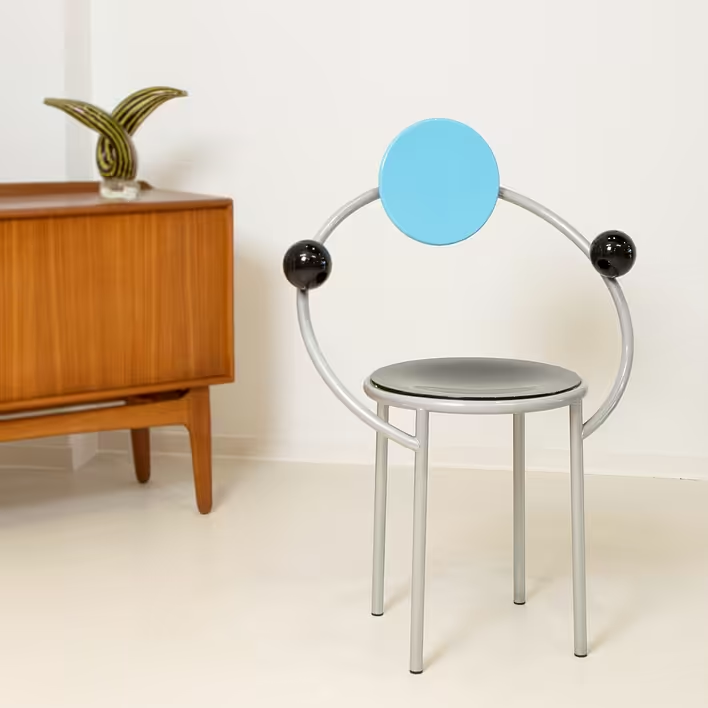
Стілець First (Мікеле де Луккі, 1983)
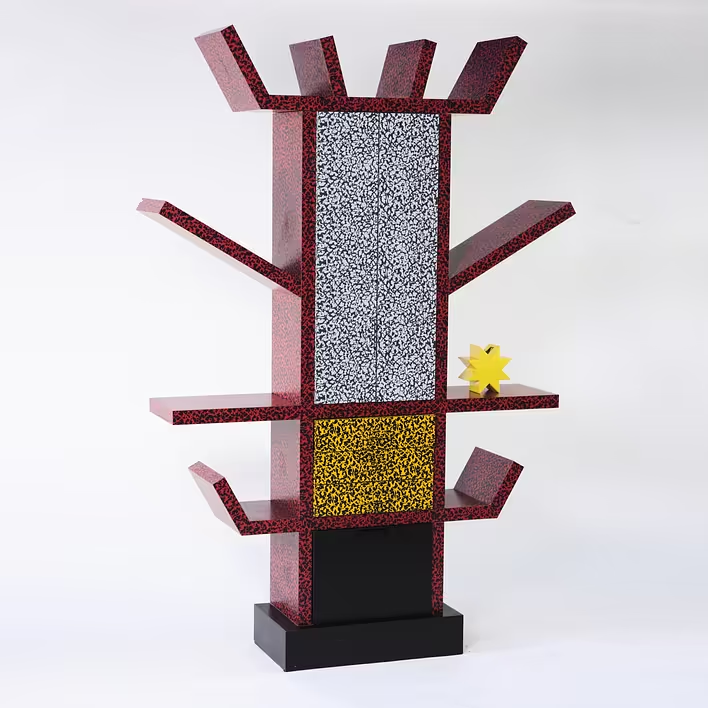
The group's first exhibition took place in September 1981 in Milan. Viewers saw items that resembled toys or decorations for science fiction films more than furniture. Bookshelves that resembled totems, lamps in the shape of animals, and chairs that were difficult to sit on but impossible to look away from. It was an "anti-design" statement that affirmed the right to individuality and fantasy in the era of mass production.
Лампа Super (Мартін Бедін, 1981)
Чайник Colorado (Марко Дзаніні, 1982)
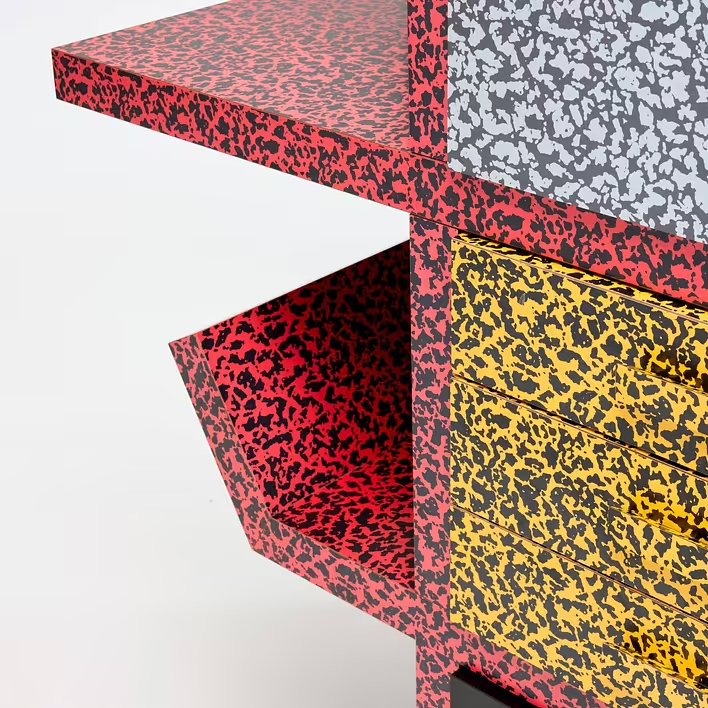
The Memphis aesthetic was characterized by three main elements: bright neon colors, asymmetric shapes, and graphic patterns. The most famous of the latter was the "Bacterio" pattern, which Sottsass developed back in the late 70s. The group drew inspiration from pop art, art deco, and kitsch of the 50s, transforming mundane objects into provocative art pieces. Despite critics often calling this style "vulgar," it quickly found its fans among global celebrities like Karl Lagerfeld and David Bowie.
Although the Memphis group officially existed only until 1987, its influence on contemporary culture remains colossal. Today we are witnessing a "Memphis renaissance" in graphic design, fashion, and interiors. Modern designers are once again turning to Sottsass's ideas to add life energy and irony to spaces. Memphis taught the world that design is not just about ergonomics, but about the right to self-expression and play, where the main rule is the absence of any rules.
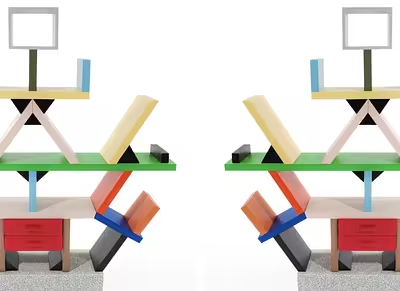
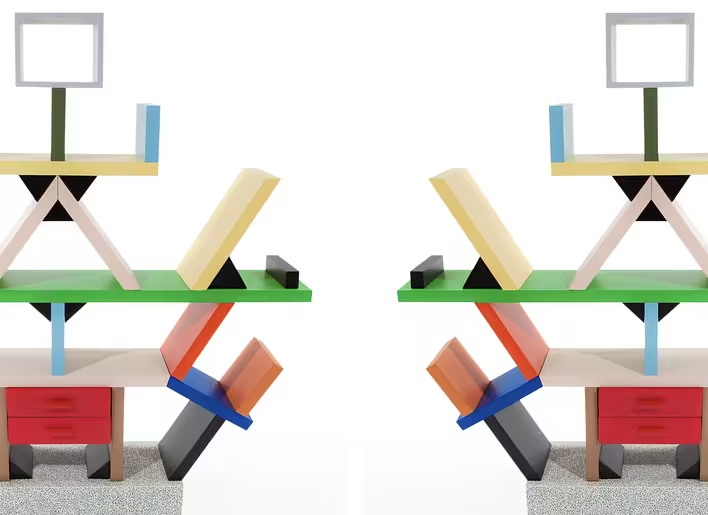
In 1981, at the Milan Furniture Fair, the world saw an object that was hard to call just furniture. It was the Carlton bookcase — bright, chaotic at first glance, and absolutely...