

This content has been automatically translated from Ukrainian.
The term itself comes from the German language (kitsch) and appeared in the 19th century. It referred to cheap, mass-produced works of art that copied the “high style” but lost depth and meaning. These could be paintings, souvenirs, or decor created not to express an idea but for quick sale and simple emotional effect.
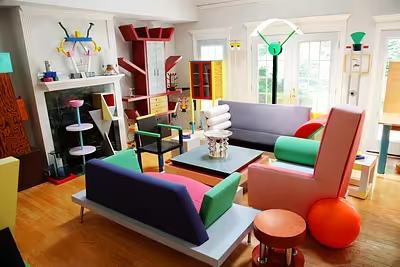
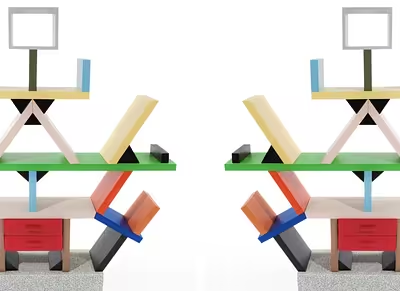
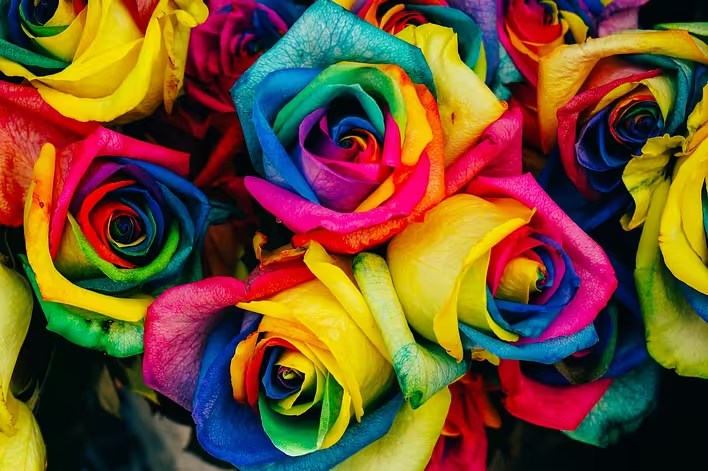
The main feature of kitsch is excess. This can include bright colors, glitter, gilding, combinations of the incongruous, or overly literal representations of emotions. For example, a glittering angel figurine, a huge bouquet of artificial flowers, or an interior with an excess of decor — all of these are typical manifestations of kitsch.
Another important characteristic is the desire to evoke a quick and understandable emotion. Kitsch does not require long contemplation or interpretation; it acts directly, which is why it is often associated with mass culture, where accessibility and simplicity of perception are important.
In interior design, kitsch was long considered something negative — a symbol of lack of taste. However, over time, attitudes towards it have changed. Today, kitsch can be used consciously: as irony, a play with forms, or a way to make a space more lively and unconventional. For example, a bright neon sign in a classic interior or unexpected decor can look stylish if done with a sense of measure.
Interestingly, kitsch often reflects the values of its time. What is considered bad taste in one period may become a trend in another. Many elements of pop culture, fashion, or design that were previously criticized later return as a conscious style.
It is important to distinguish between “unconscious” and “conscious” kitsch. In the first case, a person truly does not think about aesthetics and simply chooses what seems beautiful. In the second, it is a deliberate technique used to create mood, humor, or contrast.
In conclusion, kitsch is not just about bad taste. It is a phenomenon on the border of art and mass culture that shows how our perception of beauty changes. And although it may seem controversial, this is precisely where its appeal lies: kitsch allows breaking rules and viewing aesthetics without excessive seriousness.