Methods of creating a lawn: how to choose the optimal way for your plot
A neat green lawn is one of the main signs of a well-maintained yard. However, it can be created in various ways, each with its own characteristics, time requirements, complexity, and results. The choice depends on the budget, timelines, soil conditions, an...
A neat green lawn is one of the main signs of a well-maintained yard. However, it can be created in various ways, each with its own characteristics, time requirements, complexity, and results. The choice depends on the budget, timelines, soil conditions, and your expectations.
1. Sowing lawn grass (classic method)
This is the most common and accessible option.
How it is implemented
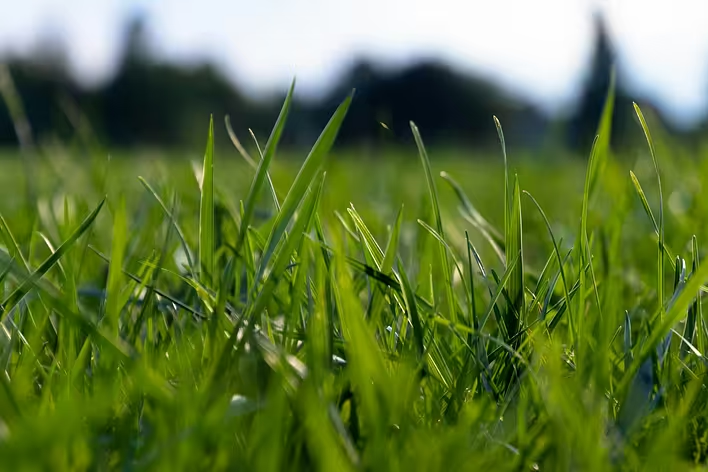
First, prepare the area: clear it of weeds and stones, level the soil, and add a fertile layer if necessary. Then, sow a mixture of lawn grasses, roll it, and water regularly. The first sprouts appear in 1–3 weeks.
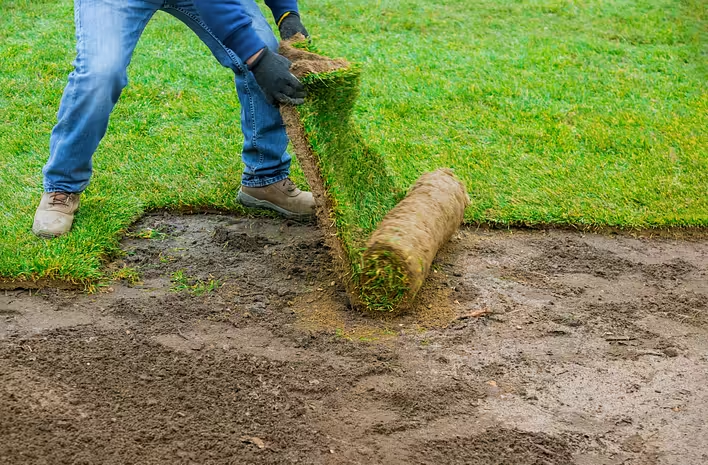
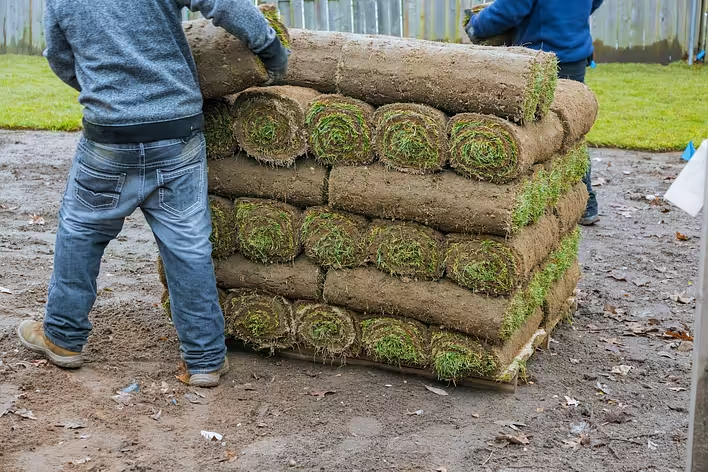
A ready lawn, grown in special fields and cut together with a layer of sod.
How it is implemented
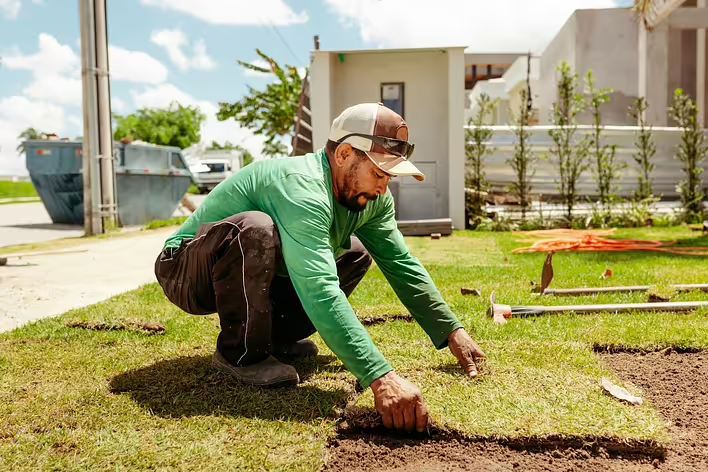
The soil preparation is the same as for sowing. Then, the rolls are laid out on the area, tightly joined, and watered generously. The lawn takes root in just 2–3 weeks.
Pros
Instant result — green lawn immediately
Minimum weeds
Even coverage
Can be laid almost throughout the season
Cons
Higher cost
Needs to be laid quickly after delivery
Risk of poor rooting with improper care
Limited selection of grasses
3. Hydroseeding (liquid lawn, "foam")
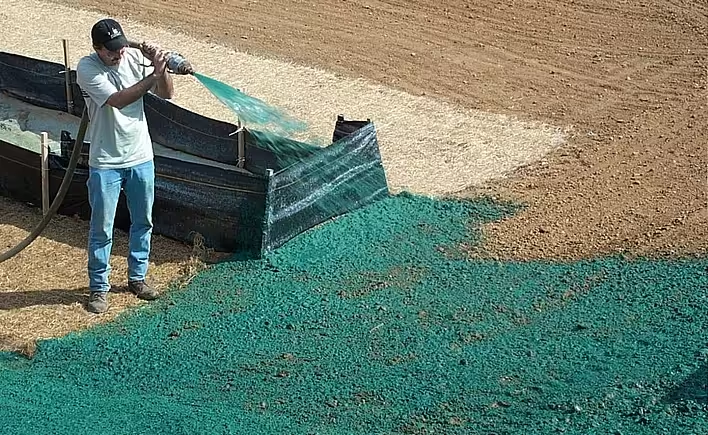
A modern method often referred to as "foam lawn," although it is actually a mixture of water, seeds, fertilizers, mulch, and binding components.
How it is implemented
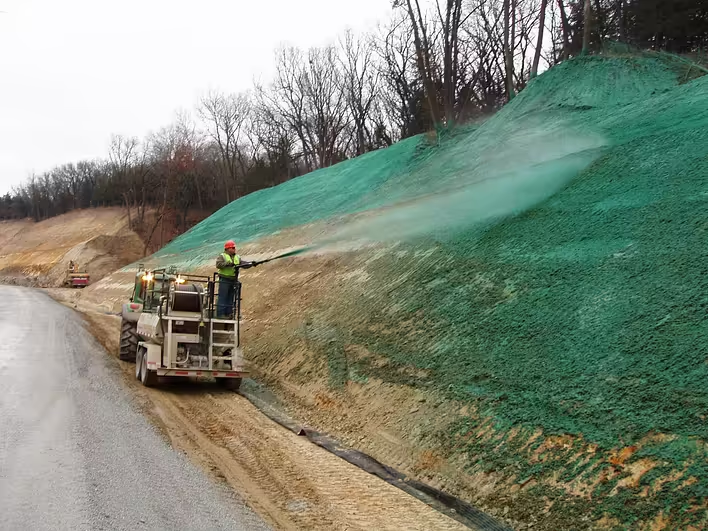
The mixture is sprayed over the surface using special equipment. It forms a protective layer that retains moisture and keeps the seeds in place.
Pros
Quick coverage of large areas
Well-suited for slopes and complex terrain
Less seed washout from rain
Even distribution
Cons
Requires special equipment
More expensive than regular sowing
Result is not instant (time needed for germination)
Quality depends on the properly selected mixture
4. Lawn with ready mats (modular lawn)
A less common option than rolled lawn, but similar in concept.
How it is implemented
Square or rectangular modules with already grown grass are used. They are laid like tiles on a prepared base.
Pros
Convenient for small areas
Simple installation
Possibility of partial repair
Cons
Joints may be noticeable with improper installation
More expensive than sowing
Less common option, making it harder to find
Combined methods
Sometimes a combination of methods is used:
rolled lawn for the "front" area + sowing for the rest
hydroseeding for slopes + classic sowing on flat areas
This allows for optimizing costs and achieving a more stable result in challenging conditions.
Important point: soil preparation
Regardless of the chosen method, a quality lawn starts not with the grass but with a properly prepared base. This stage is often underestimated, although it determines how the lawn will look in a year or even several seasons.
Clearing the area
First, it is necessary to completely remove weeds, roots of perennial plants, stones, and construction debris. If the roots of weeds are left, they will quickly sprout and spoil the appearance of the lawn.
Leveling
The surface must be as level as possible, without pits and bumps. Small irregularities become more noticeable over time: water accumulates in depressions, and soil dries out on elevations.
Drainage
If water accumulates on the site, drainage must be provided. This can be:
a layer of gravel or sand under the fertile soil
special drainage channels
Without this, the lawn may become waterlogged, yellow, or even rot.
Fertile layer
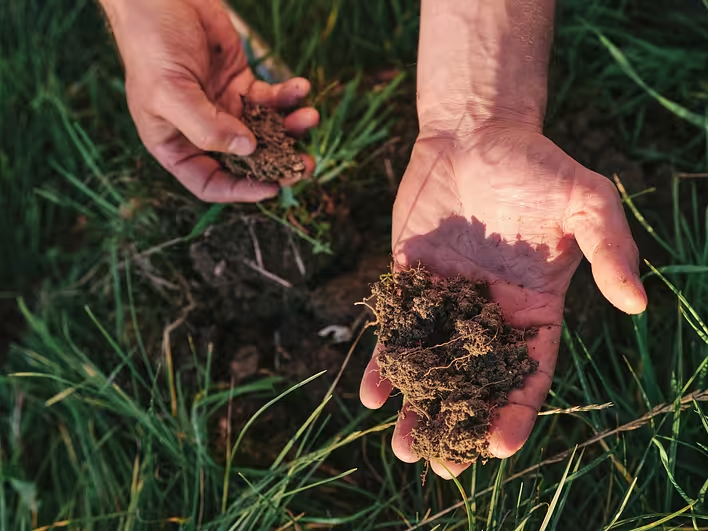
The optimal thickness of the fertile layer is about 10–20 cm. If the soil is poor or clayey, black soil, compost, or sandy mixtures are added to improve the structure.
Compaction
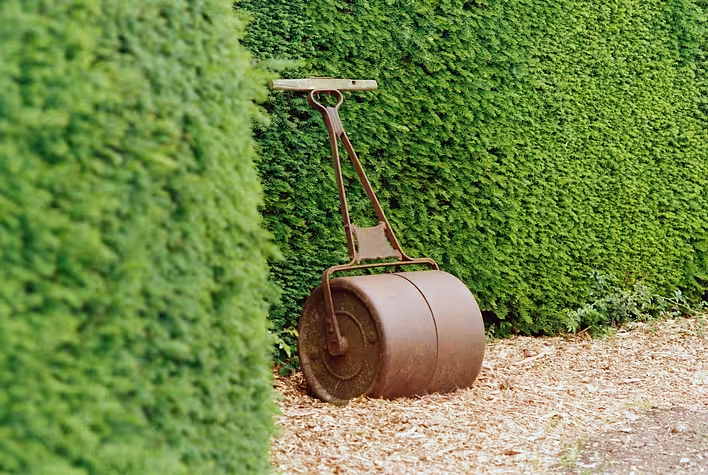
After leveling, the soil needs to be slightly compacted (with a roller or simply by walking on it). This prevents settling after rains and watering.
Pre-sowing preparation
Before sowing or laying the lawn, the top layer of soil is loosened, starter fertilizers are added, and it is moistened. It is important that the soil is not too dry and not overwatered.
Footwear known as "Mary Jane" has long become a classic — simple, recognizable, and at the same time versatile. Its main feature is the closed toe and strap over the instep. But...