
Have you ever wondered why bloggers are increasingly choosing personal websites instead of relying entirely on social media? This phenomenon didn't come out of nowhere. Bloggers, more than anyone else, understand the importance of controlling their content and audience. Let's explore what lies behind this choice and what advantages a personal website offers.
Independence from Platforms
Social media is a great platform for a quick start. But here's the catch: you play by their rules. Algorithms change, and your posts can disappear from your followers' view. With your own website, that won't happen. You are the master of your content, and only you decide how to present it.
Control Over Content
Having a personal website is like being the captain of your ship. You can choose the design, structure, and functionality of the site however you like. This allows you to create a unique brand and stand out among other bloggers. And most importantly — no restrictions on the format or length of your posts!
Monetization Without Middlemen
One of the main reasons bloggers should create personal websites is the ability to monetize without middlemen. On your site, you can sell products or services, display ads, or earn income from affiliate programs. And all of this without commissions and restrictions from social networks.
Data Collection About the Audience
A personal website allows you to better understand your audience through analytics. You can find out which pages are the most popular, how much time visitors spend on the site, and which materials interest them the most. This is invaluable information for developing your blog and business.
Building Long-Term Relationships
Social media often forces us to chase likes and followers, forgetting about genuine relationships with the audience. On your own website, you can create a community of like-minded individuals, engaging them in comments, forums, or even closed groups.
How to Start?
-
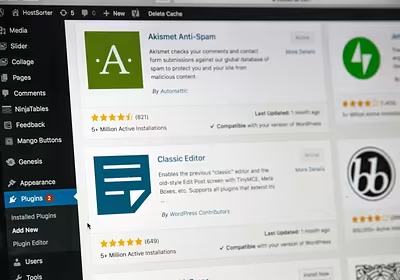
Choose a Platform: There are many platforms for creating websites — WordPress, Wix, or Squarespace. Choose one that meets your needs.
-
Design and Structure: Think about how your website should look. What sections will it have? What navigation will be convenient for users?
-
Content Plan: Define the topics and frequency of posts. Plan ahead to always have fresh content for your readers.
-
SEO Optimization: Use keywords and semantic synonyms to improve visibility in search engines.
-
Promotion: Don't forget about social media as a channel for promoting your website. Use them to attract new visitors. Publish on blogging platforms like Medium to reach a larger audience and redirect traffic to your own resource.
Thus, creating a personal website is a strategic step towards independence and success in blogging. It allows you to be the master of your fate and not depend on the whims of social media. The choice is yours: play by someone else's rules or create your own?