Today we will dive into the world of plugins and learn why they are so important for your web resource. A plugin is not just an application; it is real magic that can transform your site into something unique and functional.
What are plugins?
Let's start with the basics. A plugin is a software component that adds new capabilities to an existing program. In the case of websites, plugins are small programs that you install on your site to extend its functionality. For example, if you want to add a feedback form or integrate social media, plugins can help you with that.
Why are plugins so important?
-
Functionality without limits: Plugins allow you to add any function to your site, from an image gallery to an online payment system.
-
Time and resource savings: With plugins, you can quickly implement new features without the need to write code from scratch.
-
Customization: Every site is unique, and plugins allow you to tailor it to your needs.
How to choose the right plugin?
Choosing a plugin can be like searching for a needle in a haystack. Here are a few tips:
-
Clearly define your needs: Understand what features you need.
-
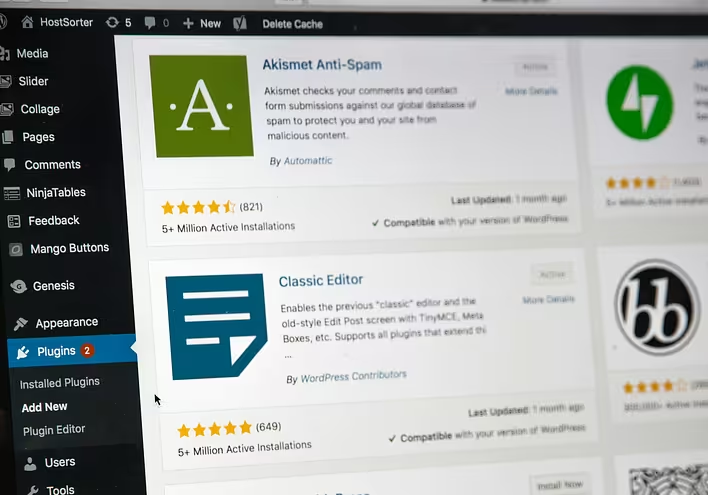
Check reviews and ratings: This will help avoid problematic plugins.
-
Updates and support: Make sure the plugin is regularly updated and has active support.
Examples of popular plugins
-
Yoast SEO: Helps optimize your content for search engines.
-
WooCommerce: Turns your site into a full-fledged online store.
-
Contact Form 7: An easy-to-use tool for creating feedback forms.
Advantages and disadvantages of using plugins
Like everything in life, using plugins has its pros and cons.
Advantages:
- Quick implementation: Add new features with just a few clicks.
- Flexibility: Easily adapt the site to your needs.
Disadvantages:
- Site overload: A large number of plugins can slow down the site.
- Conflicts between plugins: Sometimes different plugins may not work together.
How to avoid problems with plugins?
To avoid troubles, follow a few simple rules:
-
Regularly update all components of the site, including plugins.
-
Use only trusted sources to download new plugins.
-
Create backups of the site before installing a new plugin.
In conclusion, it can be said that plugins are an integral part of modern websites. They provide limitless opportunities for the development and improvement of your online project. With the right approach to selection and use, your site can become a true masterpiece in the online space. Remember, you hold the key to your site's success in your hands — use it wisely!