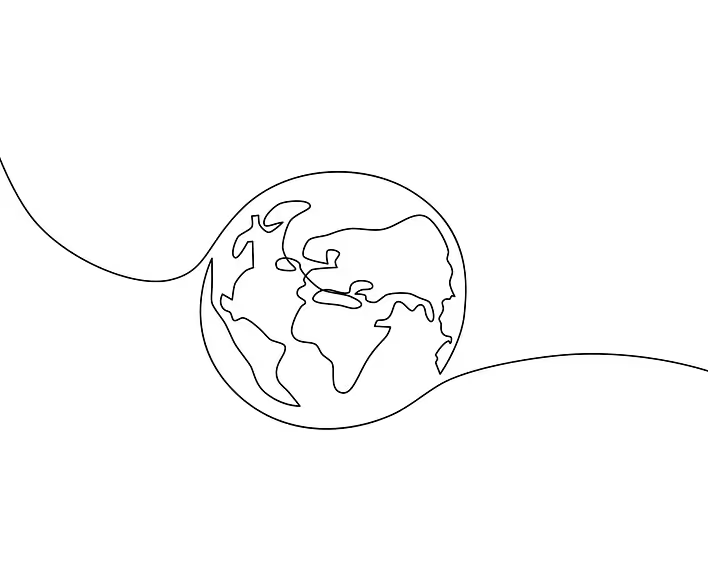

Globalization is a word that has been in the spotlight lately, but what does it mean in simple terms? Imagine a large supermarket where you can buy bananas from Ecuador, chocolate from Switzerland, and clothing from Bangladesh. This is globalization: a process that unites different countries and cultures into a single whole. But don't rush to think that it's only about trade. Globalization encompasses much more aspects of our lives. Let's figure out what globalization means in simple terms.
What is globalization in simple terms?
Globalization is a kind of bridge between countries that allows for the exchange of goods, ideas, and culture. Imagine the world as a large family: everyone has their own characteristics, but we are all interconnected. Thanks to globalization, we can watch Hollywood movies, listen to Korean pop music, and even work for international companies without leaving home.
Globalization is not just about the economy. It also relates to politics, social relations, and even ecology. In other words, it touches on all aspects of our lives.
How does globalization work?
To understand how globalization works, imagine a web. Each thread connects different points — countries and peoples. These connections can be economic (trade), cultural (music and films), technological (the internet), or political (international agreements).
Here are a few key mechanisms:
- Trade: Countries sell goods and services to each other.
- Technology: The internet and mobile devices allow us to communicate with people from all over the world.
- Culture: The exchange of cultural values, such as music or cinema.
- Politics: Joint agreements and organizations, such as the UN or the EU.
Pros and cons of globalization
Like any process, globalization has its pros and cons. So, why is it so important?
Pros:
- Economic development: Countries can specialize in what they do best.
- Cultural enrichment: You can learn about other cultures without the need to travel.
- Technological progress: Innovations spread more quickly around the world.
Cons:
- Inequality: Some countries benefit more from globalization.
- Threat to cultural identity: Local traditions may be overshadowed by more popular international trends.
- Environmental issues: Increased production can harm the environment.
How does globalization affect our lives?
You may ask: “And what does that mean for me?” In fact, the impact of globalization on our daily lives is enormous.
- Jobs: The ability to work for international companies or even start your own online business.
- Education: Access to online courses from leading universities around the world.
- Consumption: A wider selection of goods in stores.
Practical tips for adapting to the global world
- Learn languages: Knowledge of English or other languages opens up new opportunities.
- Be open to new cultures: This will help you better understand the world.
- Keep up with technological innovations: This will help you stay competitive in the job market.
Globalization is like a double-edged sword: it can bring many benefits, but it also has its risks. The key is to learn how to use its opportunities to your advantage. And don't forget: the world is becoming closer and more accessible thanks to this process. You are already living in the era of globalization, so it's worth taking advantage of all its benefits!