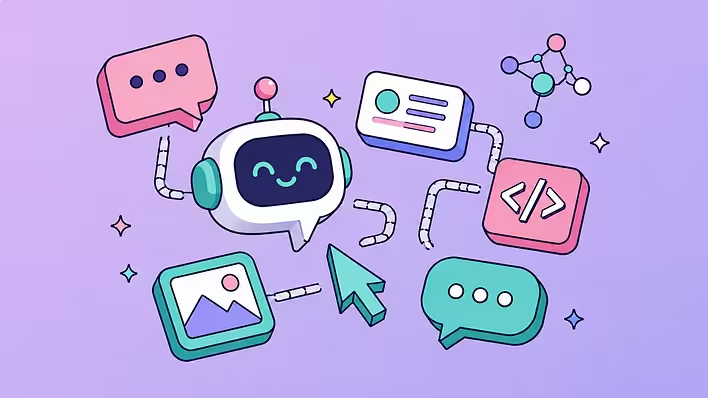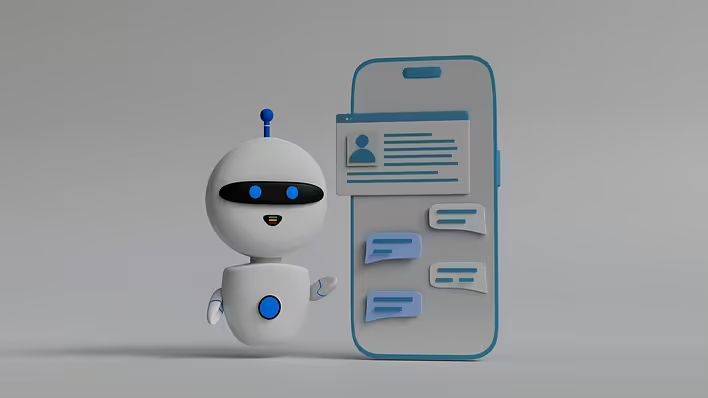

So, what does the word "bot" mean? It is short for "robot," which is used to describe programs that perform automated tasks on the internet. Bots can be both useful and harmful. For example, they can assist in customer service or be used for sending spam.
A bot is not just a program
A bot is not just a set of codes. It is a real assistant in the digital world. Think of chatbots that answer your questions on websites. They quickly and efficiently provide the necessary information, relieving the burden from real employees. Or bots in Telegram that help find music or news.
Synonyms and antonyms
- Synonyms: agent, assistant.
- Antonyms: human (in the context of performing tasks manually).
How do bots work?
Bots operate based on predefined algorithms. They can analyze data, interact with users, and even learn from their mistakes thanks to artificial intelligence. For example, your favorite music bot can create playlists based on your preferences.
Where are bots used?
- Social networks: Bots can like, comment, and even chat.
- E-commerce: They assist in tracking orders and consultations.
- Media: Automated news publishing systems.
- Cybersecurity: Used to detect threats.
Why are bots important?
Bots have become an integral part of our lives due to their ability to automate routine processes and increase work efficiency. They allow saving time and resources that can be spent on more important tasks.
What are the risks of using bots?
Like everything in life, bots have their "pitfalls." Some may collect personal information or be used for fraud. Therefore, it is important to be cautious and know which bots are interacting with you.
Practical tips
- Use only verified bots from reliable sources.
- Regularly update your passwords.
- Be careful with personal data.
In conclusion, bots are a modern tool that can significantly ease our lives. But, as they say, "trust but verify." Use them wisely and safely!