Each of us has held in our hands at least once a perfect pair of new shoes — the kind that immediately conjures up images of a light step, a straight back, and the pleasant sound of footsteps on asphalt or tiles. New shoes always smell of anticipation: of walks, meetings, important moments in life. They seem to promise to become part of our daily story. But reality can sometimes be harsher — the first hours of wearing them bring discomfort, pressure, and sometimes even real pain. That’s why the question of how to break in new shoes without pain concerns practically everyone. Choosing quality models right from the start significantly reduces risks, so it’s worth paying attention to trusted stores, including https://valox.com.ua/products/vzuttya/, where comfort is built in at the production stage, but even the best pair needs a delicate introduction to the foot.
Why New Shoes Rub and Squeeze
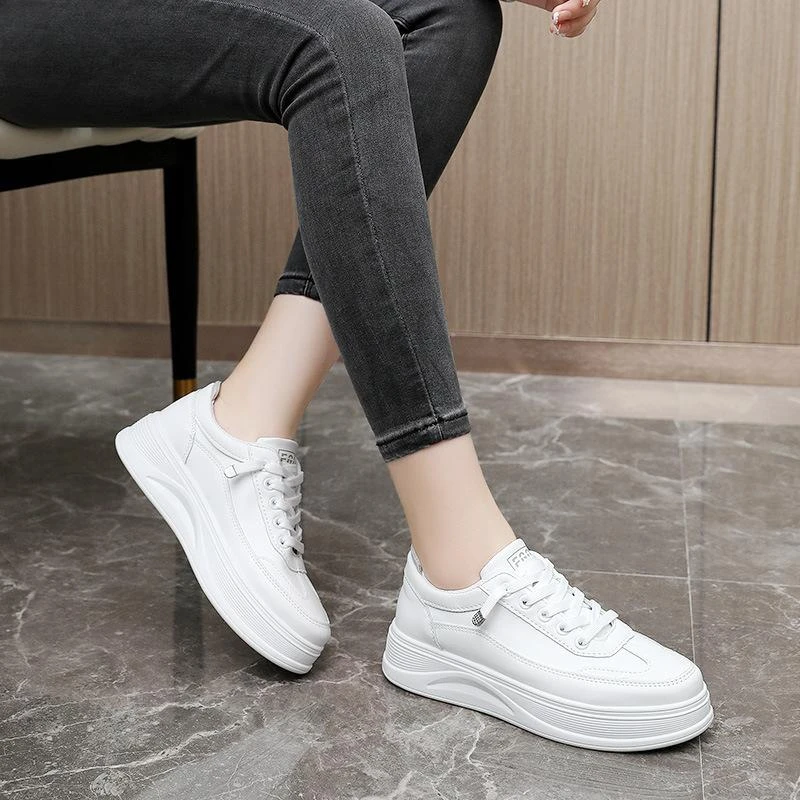
New shoes are always made of material that has yet to "live." They don’t know your walking style, don’t conform to the curves of your foot, and don’t respond to your pace. Leather or textile remains stiff, the sole is resilient, and the internal seams have not yet softened with movement. Even anatomically correct shapes may need time to become truly comfortable.
Pain in new shoes is not the norm, but a signal that the pair needs time or the right approach to breaking in.
Often, we tend to blame ourselves for choosing the wrong size, although the reason lies elsewhere. The shape of the arch, the width of the foot, walking habits, and even the weather affect the sensations while wearing them. In warm weather, feet swell faster, while in winter, thick socks change the fit of the shoes. That’s why understanding the causes of discomfort helps to find the right way to adapt without injuries and disappointments.
Preparing for Breaking In
Preparation is like a first date. If you immediately demand endurance from the shoes for an entire day, they will respond with resistance. It’s better to give them a chance to adapt in a calm, controlled environment.
Assessing the Fit at Home
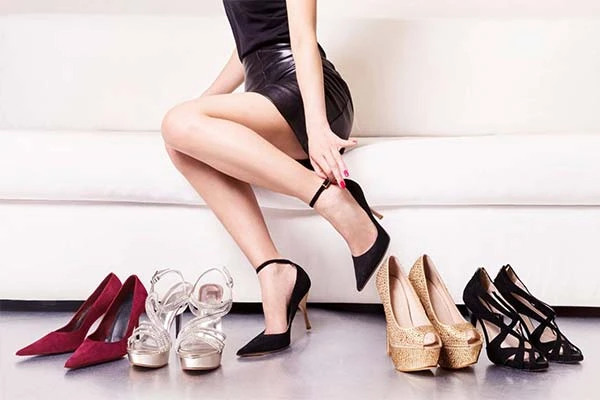
A home fitting is not a formality, but an important stage. In silence and without haste, you can feel how the shoes behave while moving, where exactly pressure arises, whether the heel slips, or if the toes are pinched. A few laps around the room often speak more than a minute of standing in front of a mirror in a store.
Pay attention not only to pain but also to subtle signals
-
sensation of stiffness
-
light tingling
-
tension in the toes
These nuances are important, as they are the beginning of true discomfort if ignored.
Working Methods for Breaking In Without Pain
The process of breaking in should not be a test of endurance. It is rather a series of small steps that gradually transform a stiff shape into an individually comfortable one.
Home Methods for Softening
Home methods are valuable because they allow you to control the process and not risk the health of your feet. They work slowly but reliably.
-
Wearing shoes with warm socks for gentle stretching
-
Short walks around the house at a calm pace
-
Careful massaging of the sole with your hands without sudden movements
-
Using special products to soften the material
Such actions create a feeling of "getting used to," as if the shoes are gradually learning to mimic your movements rather than resisting them.
Gradual Breaking In
-
Start with short wear at home
-
Daily add a few minutes
-
Go for short walks without haste
-
Only after adaptation plan a full day
The best way to break in shoes is to let them get used to you as slowly as you get used to them.
This approach builds trust between the foot and the shoes, allowing you to avoid blisters and a spoiled mood.
Protecting the Foot During Adaptation
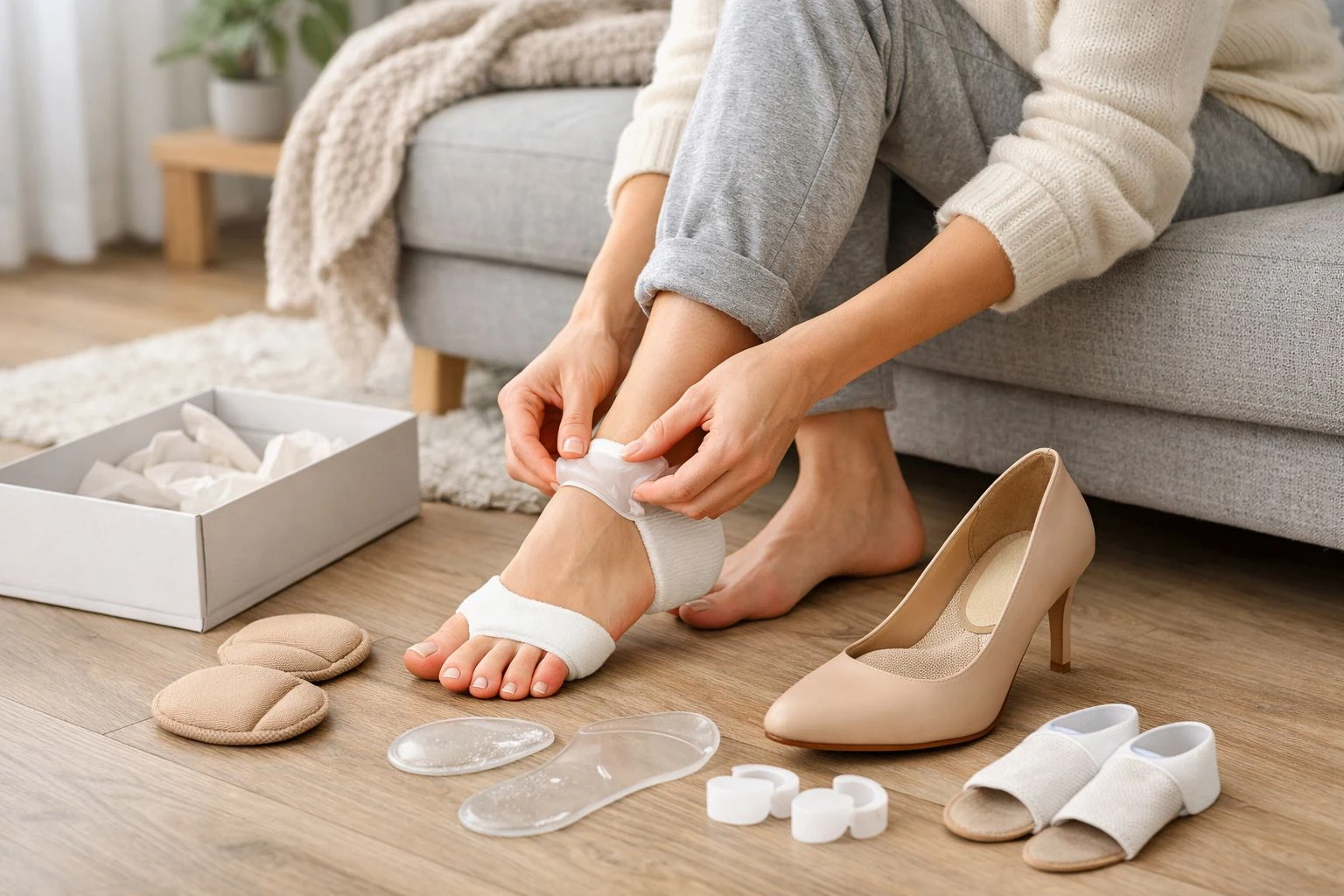
Even with the right tactics, feet need protection. Especially during the period when the material has not yet softened and movement is not yet free.
Useful Accessories
-
Silicone pads to reduce friction
-
Gel insoles for even weight distribution
-
Protective bandages for sensitive areas
-
Soft inserts for foot stabilization
These accessories work like an invisible shield, allowing you to move comfortably even in the first days of wearing.
Comfortable shoes are not just about shape and size, but also about caring for the foot at every stage of wear.
Thanks to small details, the process of breaking in becomes not a problem, but a regular part of the daily rhythm.
When Not to Endure
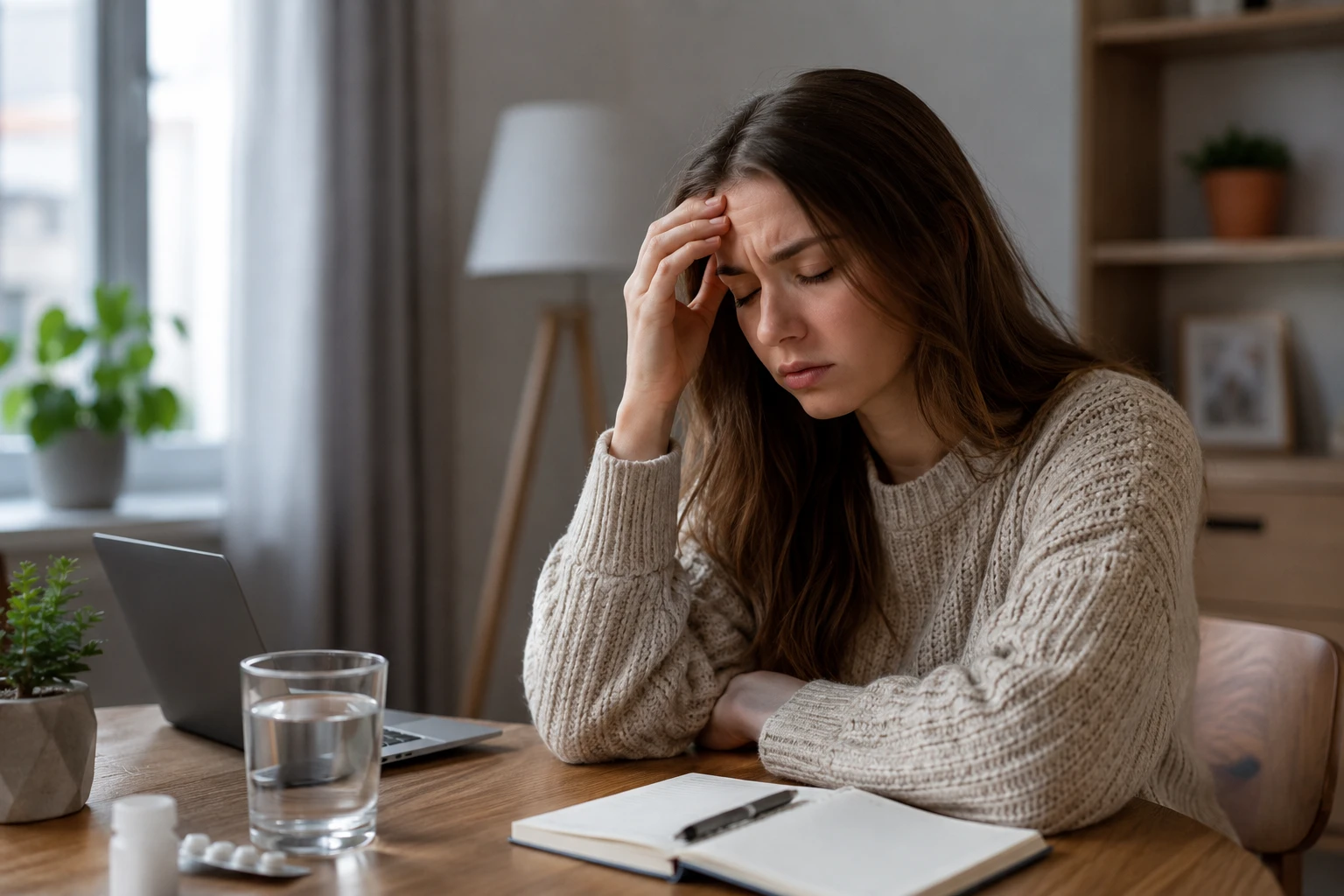
Sometimes we try to adapt for too long, hoping that the pain will go away on its own. But there are moments when it’s worth stopping and honestly admitting — this pair is not suitable.
There are signals that cannot be ignored
-
constant pain without improvement
-
numbness or pulsation
-
marks of severe compression
-
sensation of fatigue after just a few steps
In such cases, it’s better to consult a specialist or choose another model than to risk the health of your feet.