
Imagine a world where medicine not only treats diseases but also actively prevents their occurrence. This is the role that sanitation plays in modern medicine. This approach has become a true discovery for doctors and patients, changing our perceptions of health.
What is sanitation in medicine?
Sanitation is a set of measures aimed at improving health and preventing diseases. Translated from Latin, “sano” means “to heal,” “to restore health.” It encompasses a wide range of actions: from cleaning body cavities to sanitizing premises. And although the term may sound a bit dry, its significance for our health is hard to overestimate.
How does sanitation change the approach to treatment?
-
Disease prevention
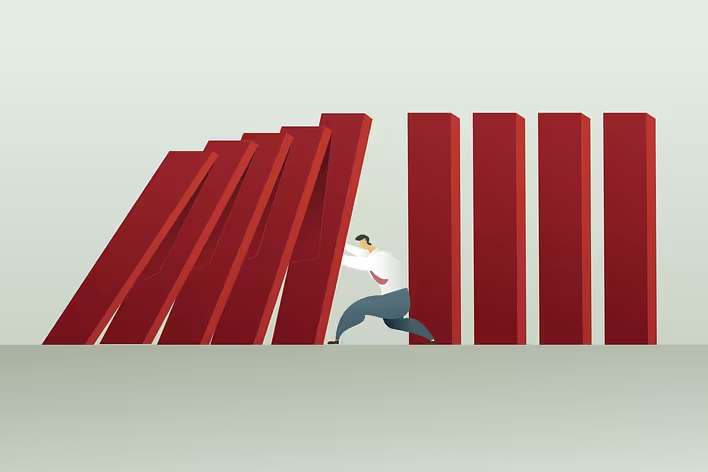
Sanitation helps prevent many diseases before they occur. For example, regular oral sanitation can significantly reduce the risk of cavities and other dental problems. It’s like a shield that protects you from troubles. -
Improving hygiene
Cleanliness is the key to health. Sanitation helps maintain a high level of hygiene in both medical facilities and at home. This includes sterilizing instruments, disinfecting surfaces, and cleaning the air. You don’t want to live in a “dirty swamp,” do you? -
Increasing treatment effectiveness
Sanitation measures can significantly improve treatment outcomes. For example, before surgery, a doctor performs sanitation of the wound to avoid infectious complications. It’s like an additional insurance policy for your health.
Practical tips for home sanitation
- Regular cleaning: Keep your home clean, especially in the kitchen and bathroom.
- Ventilating rooms: Frequently air out rooms to ensure fresh air.
- Personal hygiene: Wash your hands regularly and follow personal hygiene rules.
Interesting facts about sanitation
- Ancient Rome: Even then, people understood the importance of sanitation — Roman baths were not only places of relaxation but also a way to maintain health.
- Modern technologies: Many clinics use ultraviolet light for disinfecting premises — it’s an effective way to eliminate bacteria and viruses.
- Resource savings: Sanitation helps reduce treatment costs through disease prevention.
Advantages and challenges
On one hand, sanitation makes medicine more effective and accessible. On the other hand, it requires time and resources for implementation. However, considering its advantages, these costs are quite justified.
Thus, sanitation in medicine is not just a trendy word or another trend. It is a significant step forward in our fight for health. It helps not only to treat diseases but also to prevent them, making it an indispensable component of modern medicine. Take care of your health today — after all, it’s better to prevent a disease than to treat it later!