Poul Henningsen, known in the design world simply as PH, was much more than just a lamp creator. An architect, critic, poet, and publicist, he became one of the most influential figures in Danish cultural life in the 20th century. His approach to design was...
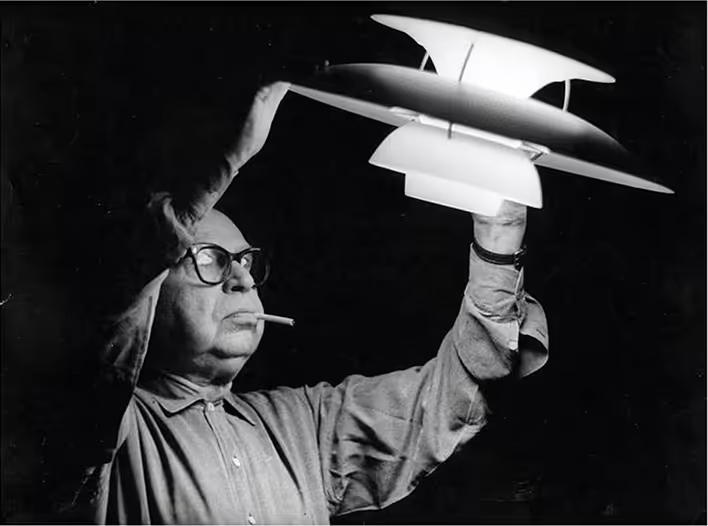
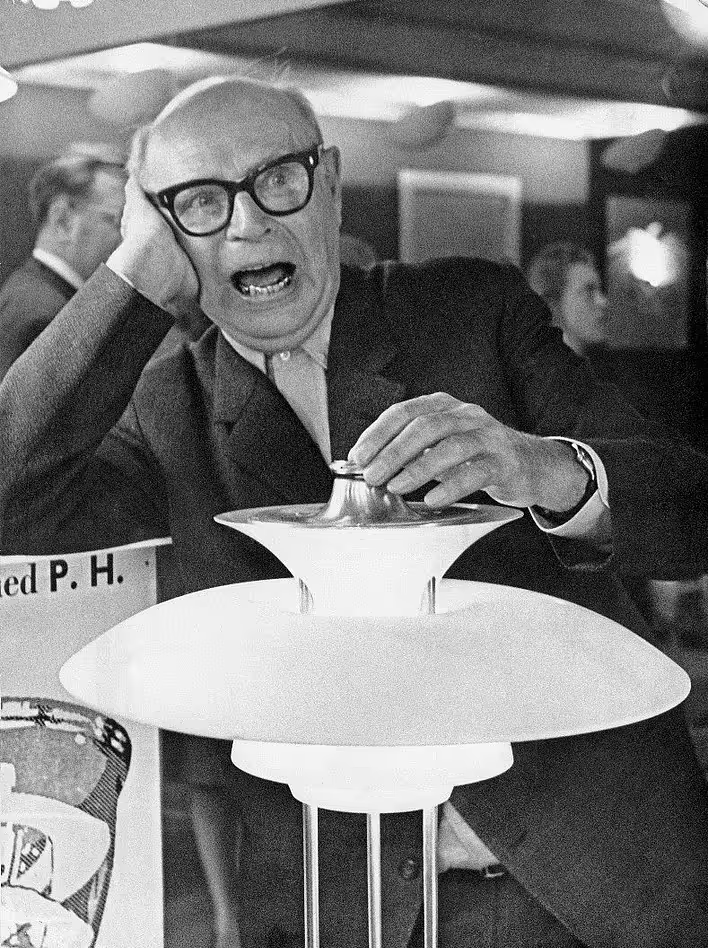
Poul Henningsen, known in the design world simply as PH, was much more than just a lamp creator. An architect, critic, poet, and publicist, he became one of the most influential figures in Danish cultural life in the 20th century. His approach to design was not purely aesthetic — it was a profound social and scientific mission aimed at improving everyday life.
Born in 1894 in Copenhagen, Henningsen was raised in an intellectual environment that fostered his critical thinking. Although he studied to be an architect, he never received a diploma, which did not prevent him from becoming a true innovator. His childhood took place in the era of gas lamps that provided soft, warm light. When electricity with its harsh, blinding bulbs came along, Henningsen saw this as a personal challenge. He often recalled how homes became uncomfortable in the evenings due to the new lighting, which prompted him to create a system that would combine modern technology with the comfort of the past.
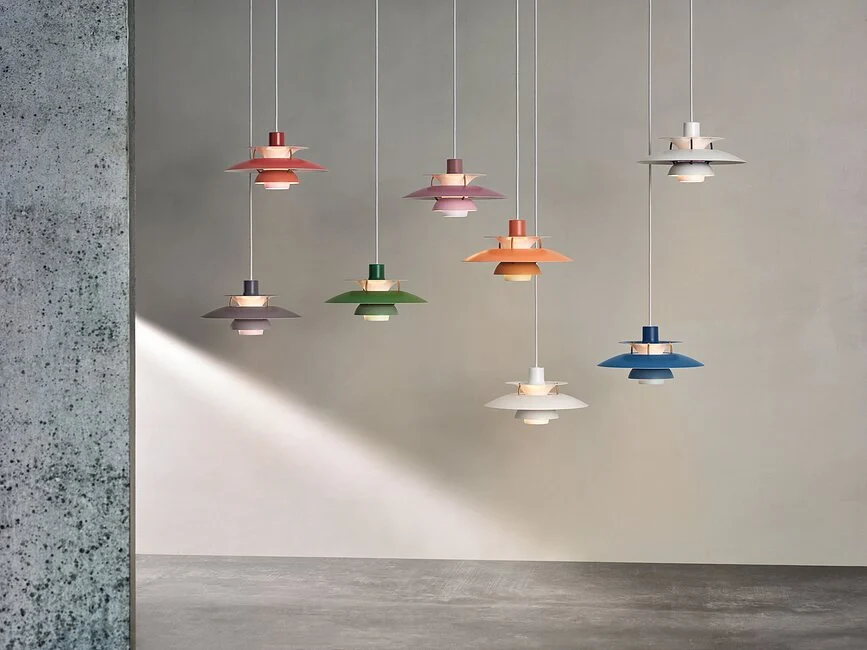
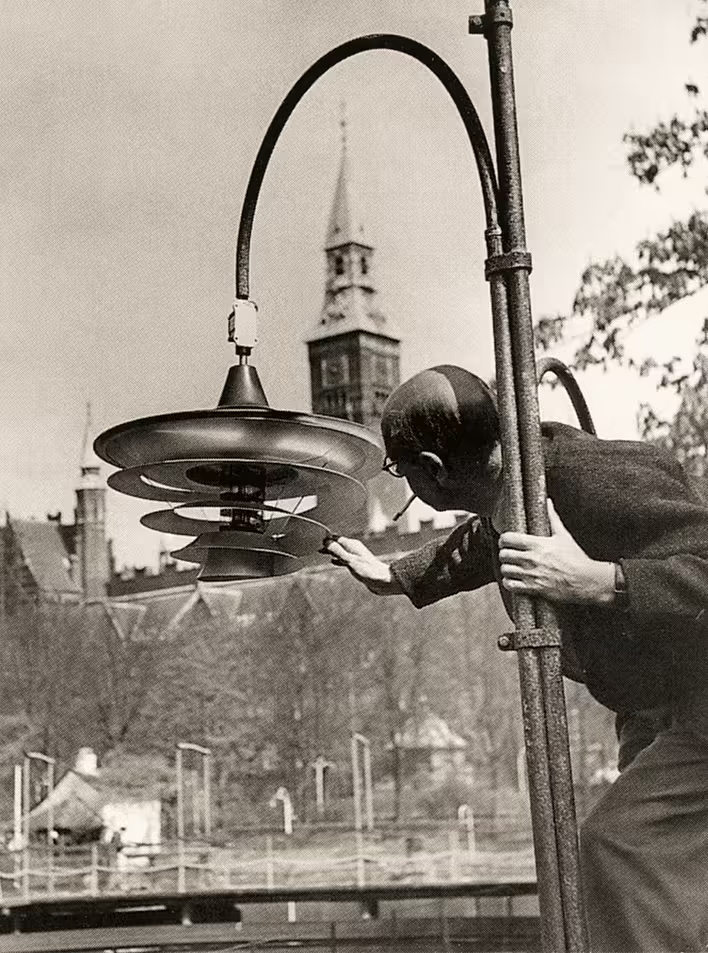
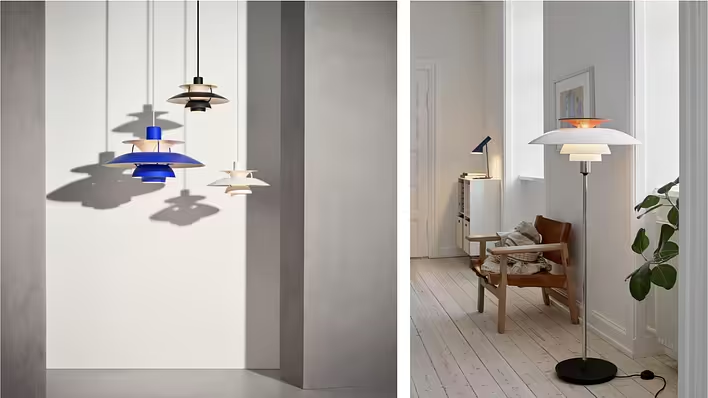
The most important stage of his career was his long-term collaboration with the company Louis Poulsen, which began in the mid-1920s. It was then that the first lamp from the PH series was introduced, the name of the collection being the initials of the author himself, which over time became a global brand of quality and style. Henningsen designed over a hundred lamp models, each based on his scientific system of three shades that cut off direct rays and created perfect diffused light.
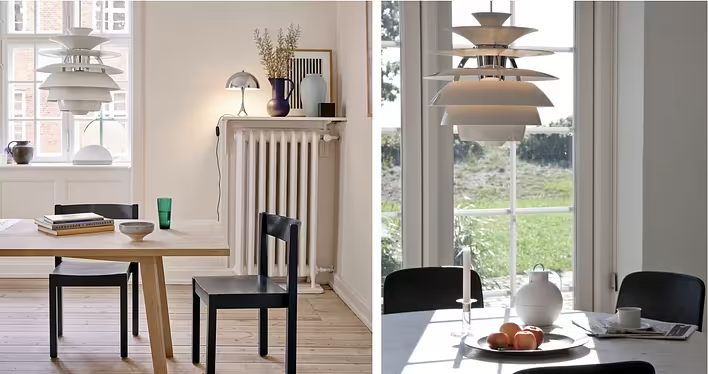
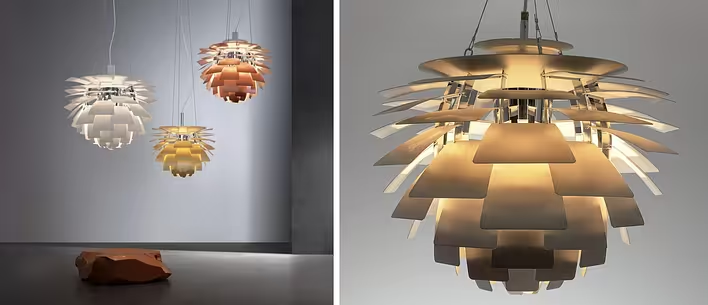
Among his most popular works, besides the classic table lamp PH 3/2, special mention goes to the PH Artichoke and PH Snowball. Created in 1958 for the Langelinie Pavillonen restaurant in Copenhagen, the artichoke lamp consists of 72 "petals" arranged on twelve steel arches. This design is a masterpiece of engineering thought: from any angle, the viewer does not see the bulb itself, only the soft reflected light.
Poul Henningsen believed that design should be democratic and accessible. Despite the fact that today his products are considered luxury items, he always aimed to create things for people. His legacy is not just beautiful interior items, but a whole philosophy of light as a tool for comfort and well-being. He passed away in 1967, leaving behind a world that became significantly warmer and more pleasant to the eyes thanks to his tireless pursuit of perfect light.
At the beginning of the 20th century, the emergence of electric light bulbs became a true technological breakthrough; however, it brought with it a new problem — harsh, blinding...