This content has been automatically translated from Ukrainian.
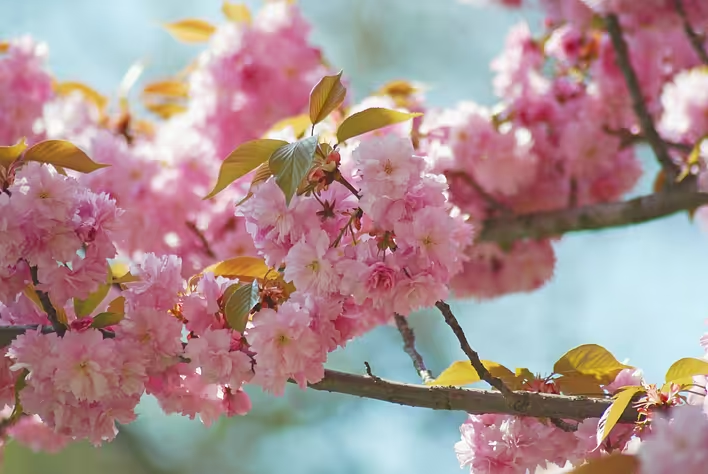
Spring blooming of cherry blossoms is a mesmerizing sight. However, the Japanese cherry is not the only option for those who want to see a sea of pink petals in their garden. In the conditions of Ukraine, where winters can be harsh and summers dry, it is sometimes worth considering alternatives that are just as beautiful but significantly more resilient.
In this article, we will explore the most popular options for "pink" trees, their features, and care requirements.
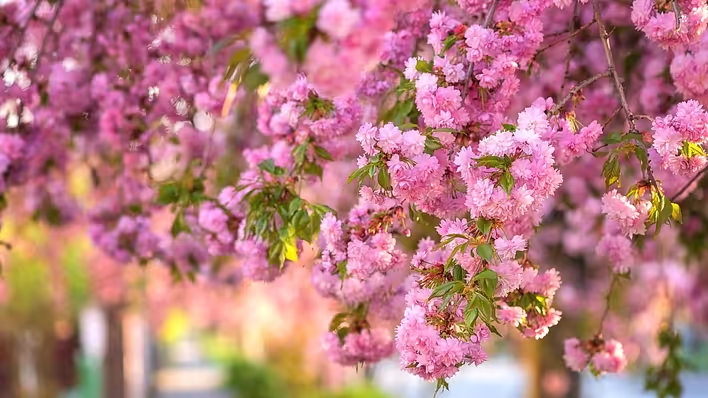
1. Japanese Cherry (Sakura)
A classic that needs no introduction. The most popular varieties in Ukraine are "Kanzan" with dense double flowers and "Kiku-Shidare" (weeping form).
- Description: A tree with a sprawling or weeping crown. Flowers appear in April-May, often so dense that they completely hide the branches.
- Pros: Exemplary beauty, high decorativeness, a wide variety of crown shapes.
- Cons: Vulnerability to fungal diseases (coccomycosis, moniliosis), average frost resistance (the "Kanzan" variety withstands up to -23°C, but young trees need trunk protection).
- Care: A sunny location, protected from northern winds. Requires regular watering without water stagnation and mandatory preventive treatment with fungicides twice a season.
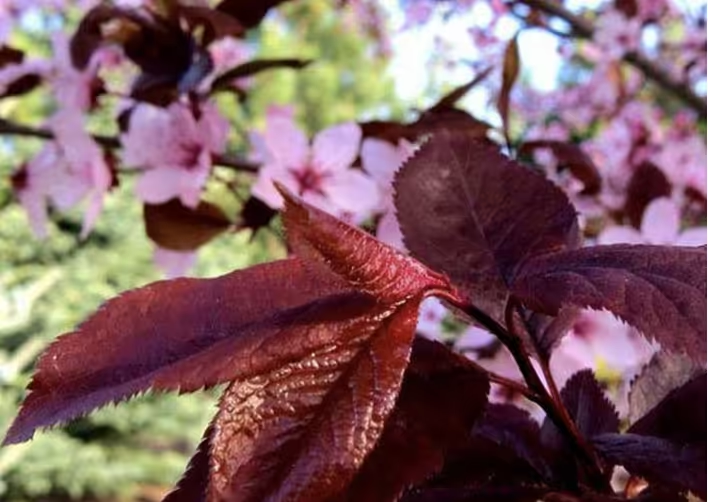
2. Pissard's Plum (Prunus cerasifera 'Pissardii')
This plum is often confused with sakura due to its early pink flowering, which begins before the leaves appear.
- Description: The main advantage is the dark purple leaves that retain their color until late autumn. The flowers are delicate, pale pink, appearing in March-April.
- Pros: Stable decorativeness throughout the season, high frost resistance, resistance to urban pollution and drought.
- Cons: Flowering is less prolonged and lush than that of double-flowered cherries. Sensitive to aphids.
- Care: Looks best in full sun. Requires annual pruning to maintain leaf color intensity.
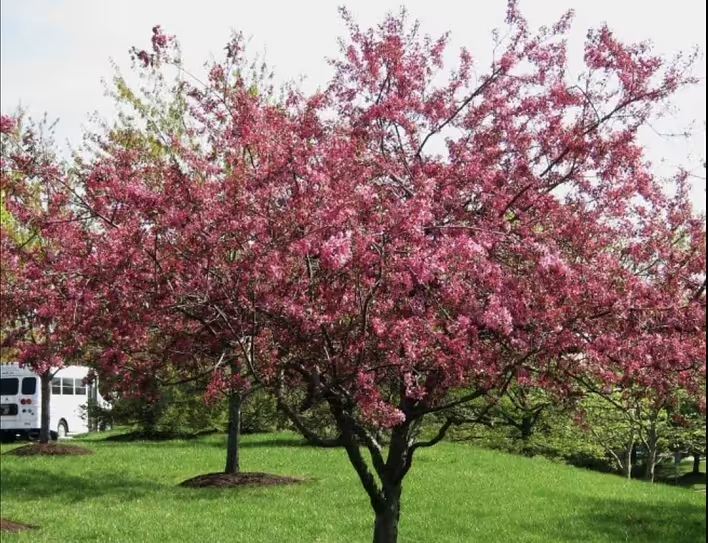
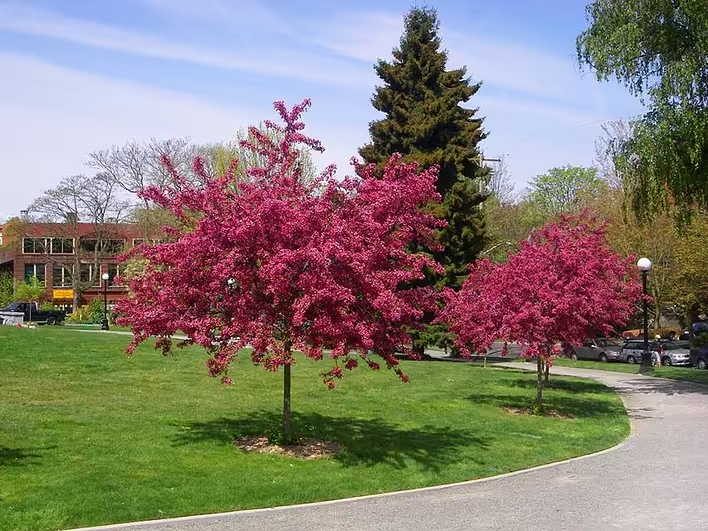
3. Ornamental Apple Tree (Malus)
Varieties "Ola", "Royalty", or "Everest" are the most reliable pink-flowering trees for the northern and central regions of Ukraine.
- Description: Flowers can vary from soft pink to deep purple. Many varieties have burgundy leaves in spring and small decorative apples in autumn.
- Pros: Extreme frost resistance (down to -30°C and below), resistance to most diseases, attractiveness in any season.
- Cons: Requires trunk protection in winter from rodents (rabbits and mice love the bark of apple trees).
- Care: Moderate watering, sunny exposure. Sanitary pruning in spring.
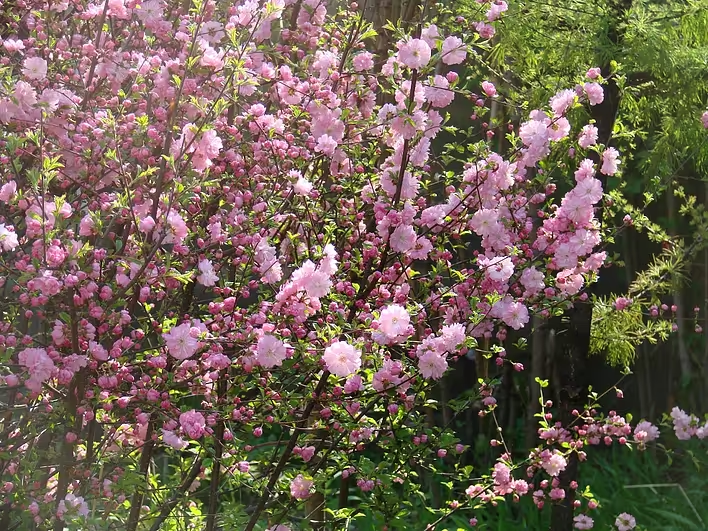
4. Three-lobed Almond (Prunus triloba)
Also known as Louisiana or "northern sakura". The most impressive for its dense flowering is a bush or small tree.
- Description: In May, the branches are covered with small fluffy pink "roses".
- Pros: Fantastic visual effect, takes up minimal space in the garden.
- Cons: The main problem is monilia burn. If the plant is not treated in time, the branches instantly wither after flowering.
- Care: Strong pruning is mandatory immediately after flowering (to 2/3 of the length of the shoots) and systemic fungicides.
5. Common Hawthorn 'Paul's Scarlet' (Crataegus laevigata 'Paul's Scarlet')
For those looking for a rich pink, almost raspberry shade.
- Description: A medium-height tree with a very dense crown and fluffy flowers gathered in clusters.
- Pros: A very resilient long-lived tree, resistant to frost, winds, and drought. Almost unaffected by diseases.
- Cons: Has thorns (though not many). Grows slower than plum or apple trees.
- Care: Unpretentious to soils, but develops better in sunny areas with well-drained soil.
What to choose?
If you are looking for maximum resemblance to Japan and are ready for careful maintenance — choose Sakura. For the effect of "two in one" (flower color + leaf color), Pissard's Plum will be ideal. And if you need the most reliable tree that will definitely survive the winter and bloom every year — opt for the ornamental apple tree.