
This content has been automatically translated from Ukrainian.
Tesla from US auctions: what to look for when choosing an electric vehicle with DayDrive
The buyer often sees an attractive Tesla lot and evaluates it only by the year of manufacture and mileage. However, this is not enough: the condition of the traction battery, the nature of the damage, and the costs after the car's arrival are important. DayDrive is a Ukrainian company that organizes turnkey delivery of cars from foreign auctions. Its experience helps to understand what to pay attention to when selecting a lot.
- The model should be chosen based on daily routes and space needs.
- The condition of the battery is often more important than cosmetic defects.
- The total cost should be calculated before bidding at the auction.
How to choose a Tesla from the USA
Start with your own usage scenario: city trips, long routes, the need for a third row of seats, or a large trunk. For the initial selection of cars from the USA, https://daydrive.ua/catalog/cars-from-usa is useful: in the catalog, you can compare offers by brand and model, rather than random ads with different configurations.
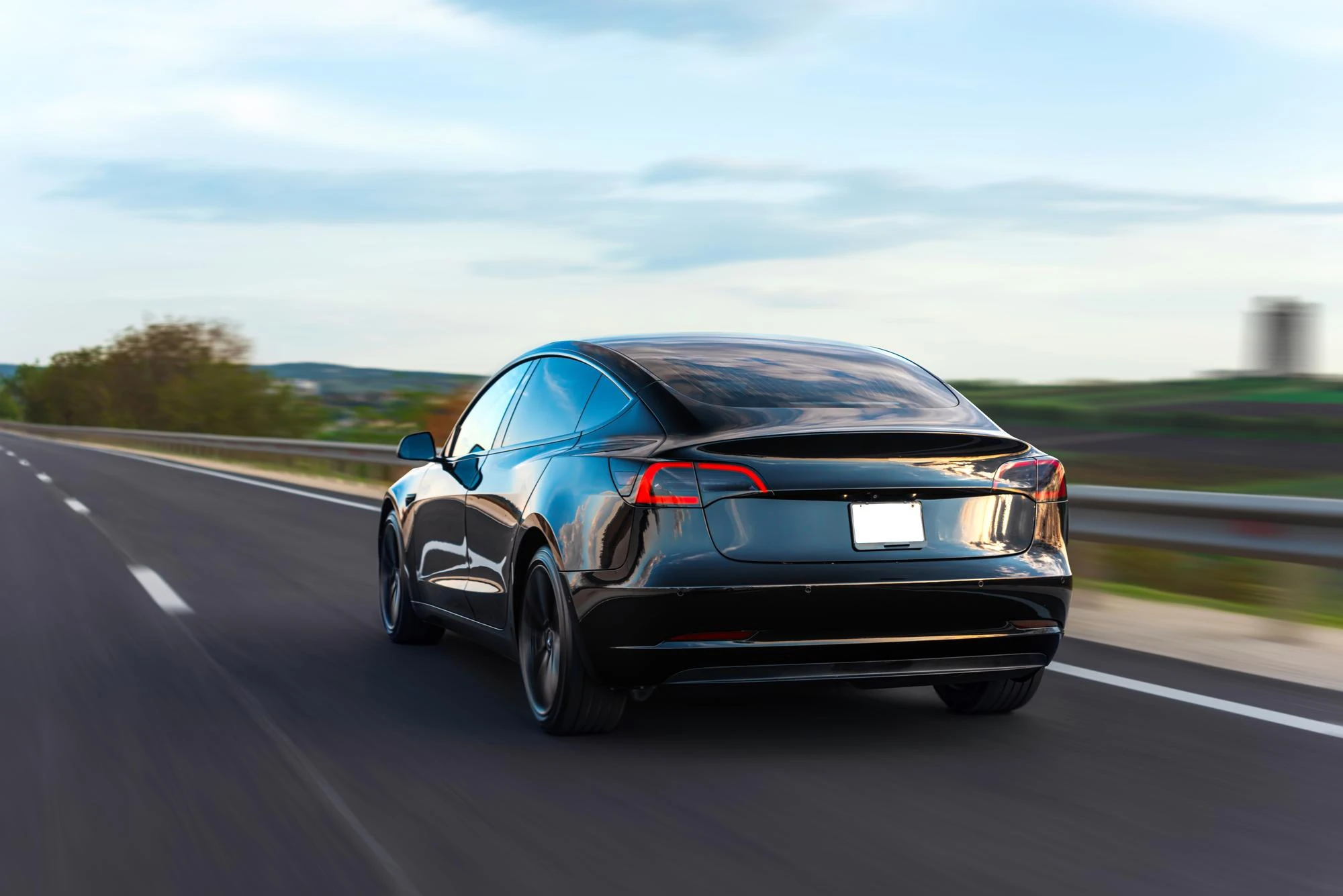
Tesla Model 3 is often chosen for city driving and regular trips for two or a small family. Model Y has a higher seating position and a more practical trunk, making it more convenient for family use. Model S is suitable for those who value dynamics and space in the cabin. Model X should be considered if a large body and additional seating are needed.
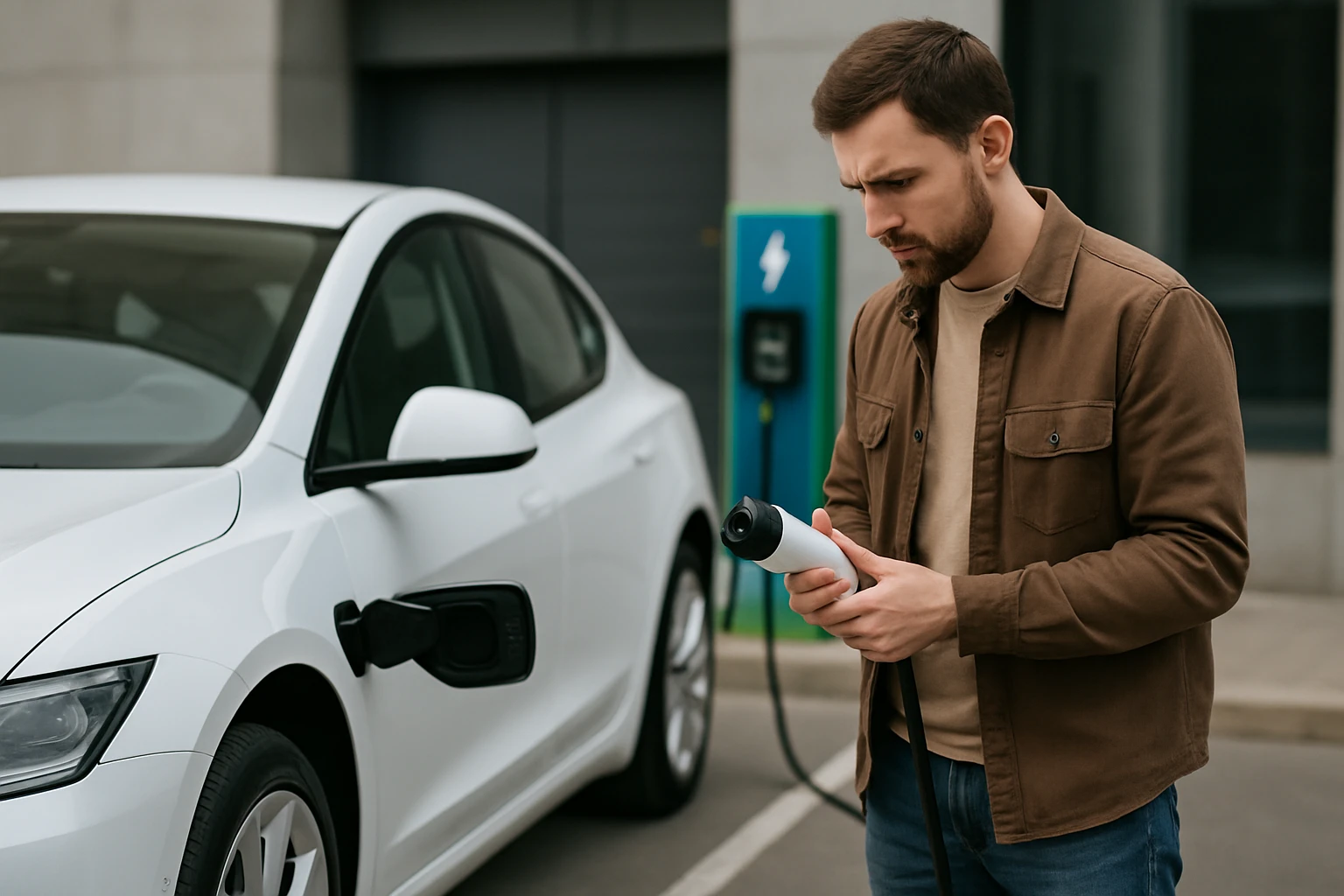
For the American version of the car, the charging connector and compatibility with charging stations in Ukraine are checked separately. It should not be assumed that a cable or adapter is included in the lot. Photos should also be checked for the language of the interface, wheel configuration, the presence of a second key card, and charging cable.
The battery and damage history determine the risks
The traction battery cannot be evaluated solely based on the declared range on the screen. It is worth clarifying whether the car has been in a flood, suffered a severe impact on the underside, or has been parked for an extended period with a fully discharged battery. Such circumstances can affect the insulation of the high-voltage system, charging, and repair costs.
When tesla from america is compiled in a selection of one brand, it is easier to compare Model 3 of different production years and battery versions. At DayDrive, the car's history is checked against the Carfax report before purchase, and repair costs are estimated. This allows for correlating the nature of the damage with the budget even before the purchase.
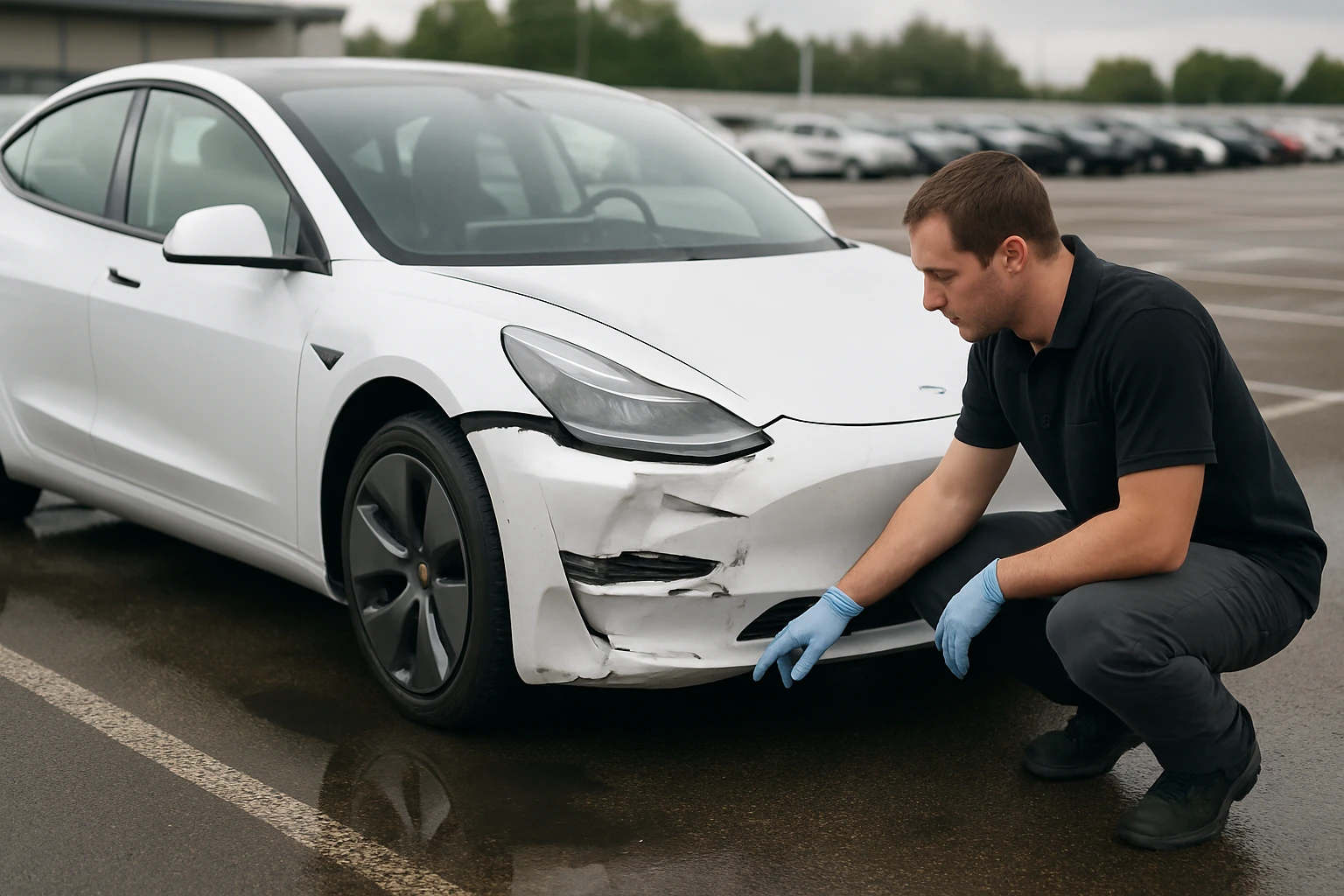
The lot's photos should be viewed sequentially. A front-end impact does not always mean complex repairs, but the condition of the radiator pack, subframe, wiring, and sensors should be assessed. Damage to the rear requires checking the trunk lid, lights, body geometry, and possible impact on the battery module. A flood mark or signs of water in the cabin is a serious reason to thoroughly check the lot and assess risks before bidding.
Important: The absence of errors on the dashboard does not always mean that the car is technically sound. Some malfunctions can only be detected during detailed diagnostics and inspection after delivery.
Customs clearance of the electric vehicle requires preliminary calculation
Before bidding, it is necessary to determine the total budget and the sequence of documentation, rather than considering only the price of the lot. The final amount is affected by auction fees, delivery, port expenses, customs clearance, certification, repair, and registration. The list of payments and requirements may change, so tax rates and benefits should be clarified according to the current rules on the date of import.
- Determine the maximum bid by adding all expenses up to receiving the vehicle.
- Check the lot documents: invoice, auction data, export and transport papers.
- Clarify whether the condition of the car will meet certification requirements after repairs.
- Before registration, ensure that the VIN in the documents, on the body, and in the customs declaration matches.
It is advisable to include a reserve for hidden defects in the calculation. If the preliminary repair estimate is $4,000, an additional 10–15% reserve, i.e., $400–600, can be anticipated. This money may be needed for parts whose necessity will become clear after disassembling the damaged area.
Tesla is compared based on unified criteria
It is easier to compare models based on the same parameters. The year of manufacture alone, without data on the type of battery, drive version, and nature of damage, says little about the condition of the vehicle. First, select models that fit the body type, and then compare them based on condition, configuration, and estimated repair costs.