This content has been automatically translated from Ukrainian.
Mulled wine is hard to separate from the circumstances in which it is consumed. In the kitchen, it is just warmed wine with sugar and spices. At a winter fair — a hot cup in your hands, the smell of cinnamon in the cold air, and a quite convincing reason to linger a bit longer before heading home.
Similar drinks exist in many countries. The Germans prepare Glühwein, the Scandinavians — glögg, the French — vin chaud, and the British call their version mulled wine. Recipes differ in the type of wine, spices, strength, and serving methods, but they all share one idea: to make the wine warm, aromatic, and suitable for a long winter evening.
What is mulled wine
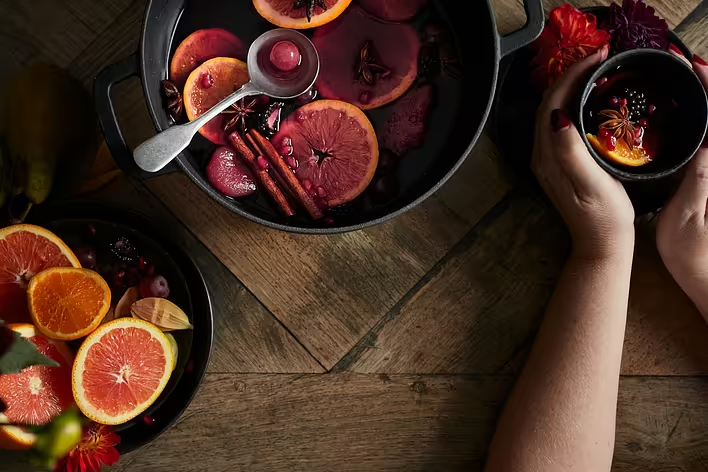
Mulled wine is a hot drink based on wine, most often red, to which sugar or honey, spices, citrus zest, and sometimes fruits and strong alcohol are added.
There is no single classic recipe. Cinnamon, cloves, star anise, cardamom, ginger, and nutmeg are most commonly used. In some recipes, the citrus notes are more pronounced, in others — the spices, and sometimes rum, brandy, or liqueur is added to the wine.
During preparation, the wine is heated but not brought to a rolling boil. Too high a temperature alters the taste of the drink, speeds up the evaporation of alcohol, and deprives the spices of some aroma. Therefore, good mulled wine is more about steeping in hot wine than boiling.
Are mulled wine and Glühwein different drinks?
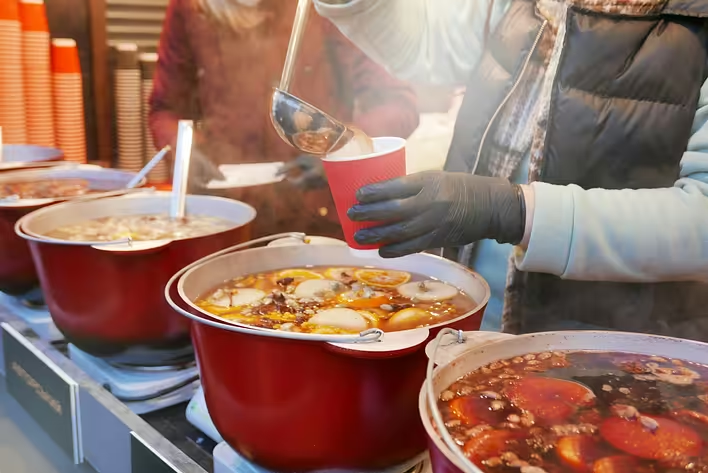
Glühwein is the German name for hot spiced wine. It sounds roughly like "glühwein," so this is how the drink may be referred to in conversation or in the menus of establishments that want to emphasize the German tradition. The word is related to the German glühen — "to glow," "to blaze" — and Wein — "wine." Therefore, it can be translated as "heated" or "burning wine."
The Ukrainian word глінтвейн is an established name for the same type of drink. Thus, mulled wine and Glühwein are not two fundamentally different drinks. However, the German Glühwein usually refers specifically to the local version sold at Christmas markets: hot red or white wine with sugar, cinnamon, cloves, citrus zest, and other spices.
From ancient wine to Christmas drink
The custom of mixing wine with honey, herbs, and spices is much older than modern mulled wine. Roman culinary texts mention flavored wines with honey, pepper, bay leaves, saffron, and other additives. Calling them mulled wine in the modern sense would be inaccurate, but the idea of altering the taste of wine with spices existed even then.
In medieval Europe, hypocras became popular — a sweetened spiced wine that was strained through a special fabric filter after steeping. It could include cinnamon, ginger, cloves, pepper, and other expensive spices of the time. Hypocras was served after meals and was believed to aid digestion. It was not always consumed hot, so it is more accurate to consider this drink a relative or predecessor of modern mulled wine rather than the same recipe under a different name.
Spices were used not only to mask the flaws of the wine, as is sometimes claimed. In the Middle Ages, they were expensive and prestigious goods, so spiced wine could demonstrate the wealth of the host. Additionally, spices were valued for their aroma and the healing properties attributed to them.
The winter drink we are familiar with formed much later when hot spiced wine became part of the festive culture in Central and Northern Europe.
Glühwein in Germany and Austria
In Germany and Austria, Glühwein is inextricably linked to the pre-Christmas period known as Advent and traditional Christmas markets. It is sold in small ceramic mugs, the design of which often changes each year. Visitors pay a deposit for the mug: it can be returned or kept as a souvenir.
Advent is the period of preparation for Christmas in Western Christian traditions. It spans the four Sundays before the holiday and has also become a separate cultural season with markets, advent calendars, candle wreaths, and other customs.
Typically, the drink is made with red wine, although white weißer Glühwein has also long been common. A stronger version is called Glühwein mit Schuss — this is mulled wine with a shot of rum, brandy, amaretto, or other alcohol.
A separate German tradition is Feuerzangenbowle, literally "punch with fire tongs." A special metal grate with a cone of sugar soaked in rum is placed over a pot of hot spiced wine. The sugar is set on fire, and the melted caramel drips into the wine. Here, not only the taste is important, but also the spectacle: the flames turn the preparation of the drink into a small winter ceremony.
Scandinavian glögg
In Sweden, hot spiced wine is called glögg, in Norway and Denmark — gløgg, and in Finland — glögi. These names denote related drinks, but there is no single Scandinavian recipe either.
Glögg can be made with wine, fortified wine, or be non-alcoholic. It often includes cinnamon, cloves, cardamom, ginger, and orange zest, while stronger versions are complemented with vodka, aquavit, rum, or brandy. The drink is served in small cups, with raisins and blanched almonds placed at the bottom. When the drink is finished, they are scooped out with a spoon.
Glögg is especially popular during the pre-Christmas period. In Sweden, it is served alongside gingerbread cookies pepparkakor and saffron buns lussekatter. By the end of the 19th century, the drink had already become a notable part of Swedish Christmas customs, and later it was established in other Scandinavian countries as well.
Vin chaud in France and vin brulé in Italy
The French vin chaud literally means "hot wine." It is made with red, and sometimes white, wine, sugar, cinnamon, cloves, and citrus. The drink is particularly popular at Christmas markets in Alsace and in mountainous regions. In some recipes, a bit of cognac or other strong alcohol is added, but this is not a mandatory component.
In Italy, the term vin brulé is used. This tradition is most prominent in the northern part of the country, especially in the Alpine regions, where hot wine naturally blends with the culture of winter markets and skiing.
Both drinks are usually closer to Central European mulled wine than to the strong Scandinavian glögg: the base is wine, and rum or brandy is only added in some recipes.
Mulled wine and wassail in the UK
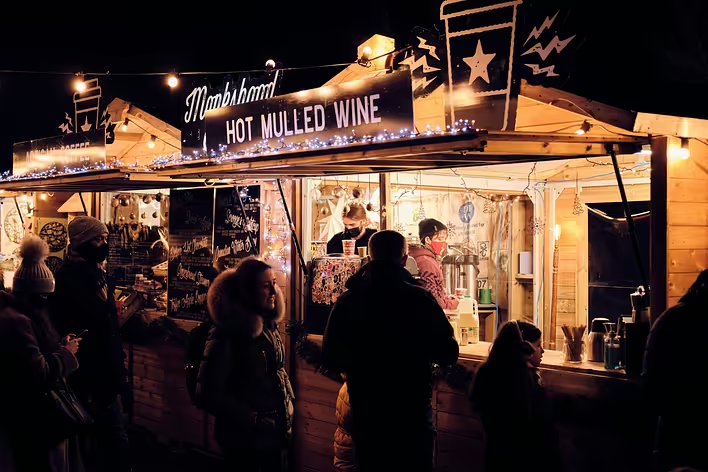
The English mulled wine is a general term for wine heated with sugar and spices. Modern British recipes often include orange, cinnamon, cloves, star anise, and nutmeg, sometimes — brandy.
Alongside it, there is an older tradition called wassail. Originally, this word was associated with wishing good health and communal drinking from a large cup. Later, it began to refer to a hot festive drink that could be made with ale, wine, or cider, adding spices and roasted apples.
Wassail is not always a type of mulled wine, as it may not contain wine at all. However, both drinks belong to a broader European tradition of hot spiced drinks prepared for large gatherings.
Grzaniec, svařák, and other Central European variants
In Poland, hot spiced wine is called grzaniec or grzane wino. It is served at winter markets with honey, citrus, and spices. There is also grzane piwo — heated beer with spices, honey, or fruit syrup.
In the Czech Republic, the popular svařák is a shortened name for svařené víno, meaning "boiled wine." Its aroma, along with the smell of roasted chestnuts and festive pastries, has become a familiar part of Czech Christmas markets.
In Croatia, you can taste kuhano vino, in Slovenia — kuhano vino or kuhanček, and in Hungary — forralt bor. The names differ, but their literal meaning is almost the same: hot or boiled wine.
Is there non-alcoholic mulled wine?
Non-alcoholic versions are made with grape, apple, cherry, or berry juice, adding the same winter spices. In German-speaking countries, Kinderpunsch — "children's punch" without alcohol is often sold at markets.
This drink is not entirely correct to call wine, but in taste, aroma, and serving method, it belongs to the same winter tradition. Non-alcoholic mulled wine should also not be automatically considered a drink made from wine from which all alcohol has supposedly evaporated during heating. For a guaranteed non-alcoholic version, a base that did not contain alcohol from the beginning is required.
Why has mulled wine become a winter symbol?

The popularity of the drink is explained not only by its warming properties. Mulled wine is easy to prepare in large batches, its aroma can be sensed from afar, and the recipe can be adapted to local wine, available spices, and the tastes of guests.
No less important is the way it is served. Mulled wine is rarely drunk in haste. It is poured from a large vessel, held with both hands, and slowly sipped during conversation. At a Christmas market, hot wine creates a small pocket of warmth right in the middle of a cold street.
Because of this, mulled wine has become not so much a specific recipe as a winter ritual. Glühwein, glögg, vin chaud, and svařák may differ significantly in taste, but everywhere they serve roughly the same role: bringing people together and for a while making the cold part of the pleasure rather than an inconvenience.