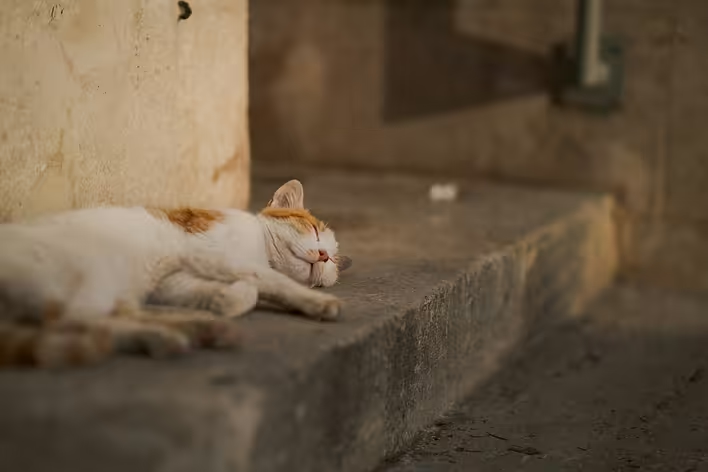

Have you ever felt that after lunch your brain starts to work slower and your eyes close on their own? This is not a coincidence, but a natural signal from your body that it’s time for a siesta. A siesta is not just a short nap after lunch; it is a true culture of rest that helps restore energy and improve health.
What is a siesta?
A siesta is a tradition of a short daytime rest that originates from Mediterranean countries, especially Spain. In these regions, the siesta has become part of the cultural heritage due to the hot climate. However, today its popularity is growing worldwide, as numerous studies confirm the benefits of such rest for our health.
Why is a siesta important for health?
-
Improves productivity
Scientists from NASA have researched that a short nap lasting 20-30 minutes can increase productivity by 34%. It’s like pressing the “restart” button for your brain. -
Reduces stress
When you are tired, stress levels rise. A siesta helps lower cortisol levels (the stress hormone) and relax the nervous system. -
Improves memory
According to neuroscientists, sleep aids in memory consolidation. A short rest after lunch helps better absorb new information and remember it longer. -
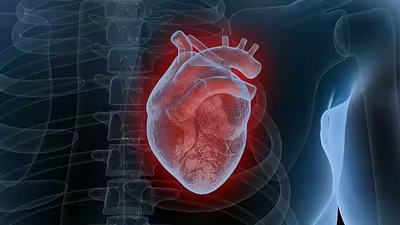
Reduces the risk of heart disease
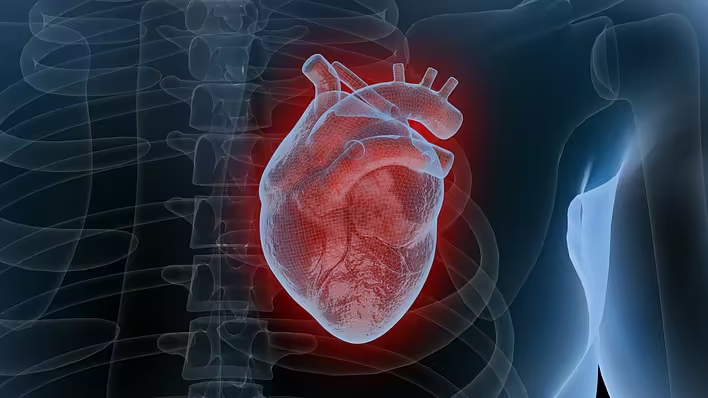
Studies show that a regular siesta can reduce the risk of heart attacks by 37%. This is a significant argument for those who care about their heart.
How to organize a siesta correctly?
-
Choose the right time
The best time for a siesta is between 1:00 PM and 3:00 PM. During this time, our energy naturally drops. -
Limit the duration
The ideal duration of a siesta is from 10 to 30 minutes. Longer may lead to “sleep inertia,” making it hard to return to activity. -
Create comfortable conditions
Lie down in a darkened room or use a sleep mask. Turn off all gadgets and give yourself the chance to fully relax.
Does a siesta suit everyone?
Although a siesta has many benefits, it is not suitable for everyone. People with insomnia or those who work night shifts may experience negative effects on their nighttime sleep. If you belong to this group, try other relaxation methods — such as meditation or yoga.
Interesting facts about siesta
- In China, there is a legally established right to a lunch break for sleep.
- In Japan, “inemuri” is popular — the practice of short sleeping at the workplace.
- The Greek word “siesta” means “sixth hour,” indicating midday by Roman time.
A siesta is not just a tradition or a trend; it is a way to maintain a balance between work and rest. Let a short daytime sleep become your little secret to productivity and well-being. Remember to listen to your body and take care of yourself — because your health is worth it!