

This content has been automatically translated from Ukrainian.
After graduating from vocational college, many graduates seek not only to continue their education at university but also to start or continue their professional activities. Combining university studies with work becomes a relevant choice for those who want to obtain a bachelor's degree, gain practical experience, and at the same time ensure financial independence. That is why the question of how to combine university studies with work is particularly important for students entering after college.
Working while studying has several advantages. A student gets the opportunity to apply theoretical knowledge in practice, better understand employer requirements, develop professional skills, and build their own portfolio even before completing their bachelor's degree. Moreover, work experience in a specialty or related field significantly enhances a graduate's competitiveness in the labor market and simplifies further employment after obtaining a diploma.
At the same time, combining studies and work requires a responsible approach. Improper time management, excessive workload, or lack of clear planning can negatively affect both academic performance and professional development. Therefore, it is important to plan the schedule in advance, assess one's capabilities, and choose a work format that allows maintaining a balance between studies, work, and rest.
Modern universities offer various opportunities for working students: electronic educational resources, distance learning elements, consultations with teachers, and flexible organization of the educational process. You can familiarize yourself with the fields of study, educational programs, and opportunities for applicants on the official website of Zhytomyr Polytechnic.
In this article, we will discuss how to effectively combine university studies with work after graduating from college, what job is better for a student to choose, how to properly organize their time, and what mistakes to avoid in order to successfully obtain higher education while gaining valuable professional experience.
Why college students often choose the "work + university" format
For many graduates of vocational colleges, continuing education at university coincides with the beginning of active professional life. After obtaining a junior specialist diploma or vocational junior bachelor's degree, students already have certain practical skills and often receive their first job offers. That is why the format of "work + university" becomes not an exception for them, but a completely logical stage of further development.
One of the main reasons for this choice is financial independence. Studying at a higher education institution requires expenses for living, transportation, educational materials, and personal needs. Work allows partially or fully covering these expenses without shifting the financial burden onto the family. Additionally, personal income fosters a responsible attitude towards time, studies, and professional development.
No less important is the accumulation of professional experience while studying. Employers increasingly pay attention not only to diplomas but also to the practical skills of candidates. A student working in their specialty or in a related field better understands the real requirements of the profession, gets acquainted with work processes, corporate culture, and modern tools used in professional activities.
The "work + university" format also allows to combine theory with practice. Knowledge gained in lectures and practical classes can be immediately applied at work, while the professional situations a student encounters help them better assimilate the educational material. This interconnection between education and practical activity makes learning more conscious and motivates professional growth.
Another advantage is the increased competitiveness after obtaining a bachelor's degree. A graduate who has not only higher education but also several years of practical experience often has better starting positions in the labor market. They already possess professional skills, understand work processes, can demonstrate real results of their activities, and quickly adapt to full-time work after completing university.
At the same time, students choose this format not only for financial or career reasons. Working while studying helps develop organization, self-discipline, and time management skills. The need to combine classes, independent preparation, deadlines, and work responsibilities teaches effective planning of their day, prioritizing tasks, and taking responsibility for commitments.
It is the combination of financial independence, professional experience, the ability to apply knowledge in practice, and better employment prospects that explains why many students consciously choose the "work + university" format as an effective way to simultaneously obtain higher education and build their future career after graduating from college.
How to properly organize your time
Combining university studies with work after college is impossible without effective time management. Improper planning is often the cause of low academic performance, constant fatigue, and stress. To successfully combine university studies with work, it is important to create a realistic system for organizing one's schedule at the beginning of the semester.
The first step should be analyzing the academic workload. It is advisable to familiarize oneself in advance with the class schedule, dates of modular tests, deadlines for coursework and practical assignments, and periods of exams and internships. When a student sees the full picture of the semester, it becomes much easier for them to allocate working hours and avoid situations where academic tasks accumulate simultaneously.
An effective solution is to create a single calendar that combines studies, work, and personal affairs. For this, one can use Google Calendar, Microsoft Outlook, Notion, Trello, or other digital planning tools. It is important to record not only classes and work shifts but also time for independent preparation, rest, completing homework, and preparing for exams.
Particular attention should be paid to prioritizing tasks. Not all tasks have the same importance and urgency. Initially, it is worth completing those tasks that have the nearest deadlines or have the most significant impact on academic results. This approach helps avoid overload at the end of the week and reduces the risk of missing important academic or work responsibilities.
Working students may find it useful to apply the time blocking method. For example, specific hours of the day can be dedicated solely to studying, others for work, and evening time left for rest or reviewing material. Clear delineation of activities helps better focus on the current task and increases productivity.
Equally important is to realistically assess one's capabilities. A common mistake is attempting to work full-time while maintaining maximum academic workload. If the schedule becomes too tight, it is worth considering part-time employment, flexible hours, or remote work formats. Short-term overload can lead to chronic fatigue and negatively affect both studies and the quality of work performance.
It is also important to plan time for recovery. Adequate sleep, regular breaks, physical activity, and at least minimal personal time help maintain concentration and productivity. A student who constantly works without rest quickly loses motivation and struggles to absorb new information.
Proper time organization is not about strict control of every minute but about creating a balanced schedule in which studies, work, and rest complement each other. It is systematic planning, clear priorities, and a realistic approach that allow one to successfully study at university, work, and gradually build a professional career without constant overload.
What job is better to choose while studying at university
The choice of work while studying at university has a direct impact not only on the student's financial situation but also on their academic performance, professional development, and workload level. After graduating from college, many students already have basic specialized training, so work can become not just a source of income but an important stage in shaping their future career. That is why, when planning work while studying at university, it is worth focusing not only on the salary but also on how such activities will help develop professional competencies.
The best option is work in the specialty or a related field. If a student is studying in IT, engineering, economics, accounting, or another technical or professional program, even an entry-level position in this field can provide significantly more benefits than temporary work unrelated to their future profession. Practical experience allows for a better understanding of academic disciplines, familiarization with real work processes, and building a professional portfolio even before completing their bachelor's degree.
For students who are just starting their professional journey, part-time employment or flexible hours often becomes the optimal solution. Working 4-6 hours a day, hourly employment, remote tasks, or project collaboration allows enough time for attending classes, independent preparation, and rest. This format is much easier to combine with the educational process, especially during exams or periods of increased workload.
Internships and student projects are also a useful option. Many companies offer programs for senior students that include on-the-job training, mentorship, and gradual involvement in real professional tasks. Even if the pay is low at the initial stage, such experience often holds significantly greater value for future employment than short-term, well-paid jobs unrelated to the specialty.
At the same time, it is worth avoiding jobs that completely drain resources for studying. Night shifts, excessive working hours, constant overtime, or physically exhausting labor can negatively affect concentration, academic performance, and health. If a student cannot prepare for classes or fully rest after work, such employment can harm both their studies and professional development in the long run.
When choosing a job, it is helpful to ask oneself several questions: will it help gain new professional skills, can this experience be used in a future resume, is the schedule compatible with studies, and will there be time left for preparing for classes and recovery. A job that supports professional growth and does not disrupt the balance between studies and personal life will be a much more valuable investment in a future career than any temporary side job that creates constant overload.
What opportunities help combine studies and work
The modern higher education system is gradually adapting to the needs of students who want to study and work simultaneously. For college graduates, this is especially important, as many already have professional responsibilities or plan to quickly integrate into the labor market. That is why universities implement various tools and formats that help combine university studies with work without compromising the quality of education.
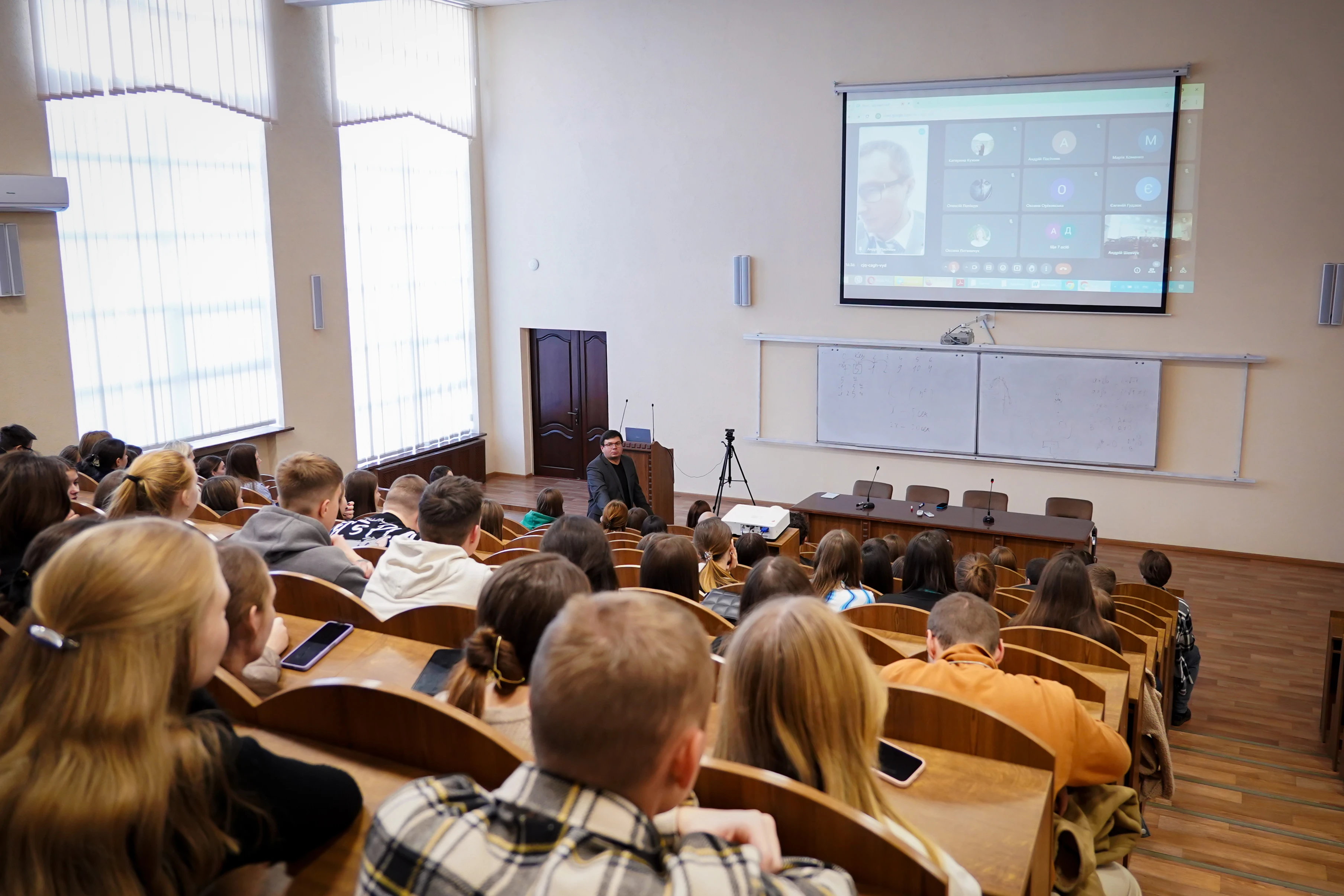
One of the most important opportunities is remote and blended learning formats. Part of the lectures, consultations, tests, and educational materials may be available online, allowing students to plan their day more flexibly and rely less on constant physical presence at the university. This format is especially convenient for those who work on a changing schedule or combine studies with part-time employment.
Electronic educational resources play a significant role. Learning platforms, electronic libraries, video lectures, digital notes, and online courses provide the opportunity to study material at a convenient time. A student can review complex topics after work, prepare for classes on weekends, or distribute their academic workload more evenly throughout the week.
No less important is the support of teachers and academic advisors. The ability to receive individual consultations, clarify assignment requirements, agree on deadlines for specific tasks, or access additional educational materials helps students better organize their learning process and avoid accumulating academic debts.
Modern universities also offer flexible organization of the educational process. A modular system, clear semester planning, predefined deadlines, and the possibility of completing part of the work independently allow students to more effectively combine studies with professional activities. For college graduates who already have a certain level of self-organization and practical experience, this approach is particularly comfortable.
It is also important that universities provide access to modern educational programs and opportunities for applicants that take into account the needs of students who combine studies with work. You can familiarize yourself with the fields of study and view the bachelor's educational programs of Zhytomyr Polytechnic on the official university website. This will help assess the academic workload in advance, the format of organizing the educational process, and choose a program that can realistically be combined with professional activities.
In addition to technical and organizational opportunities, the personal strategy of the student plays an important role. Using calendars, planners, reminder systems, and clearly delineating time for work, studies, and rest allows for the most effective use of the resources provided by the university.
It is the combination of remote tools, electronic resources, support from teachers, flexible organization of learning, and modern educational programs that creates conditions under which working while studying becomes not an obstacle but a real and effective way to simultaneously obtain higher education and professional experience.
Common mistakes of students who work while studying
Combining studies and work can provide significant advantages; however, many students face difficulties due to improper organization of their workload. The most common mistake is excessive working hours. The desire to earn more often leads to students working almost full days, leaving little time for studies, independent preparation, and rest. As a result, academic performance declines, debts accumulate, and stress levels rise.
Another typical problem is procrastination of academic tasks until the last moment. When work occupies most of the day, students often postpone preparation for classes, coursework, and reviewing material until the exam period. This approach creates a sudden overload and negatively affects the quality of learning.
A serious mistake is the absence of a rest regime. Constant work without adequate sleep and breaks quickly leads to exhaustion, loss of concentration, and decreased productivity in both studies and work. Equally dangerous is ignoring important academic stages – internships, laboratory work, consultations, and exam preparation, as these form the professional competencies of future specialists.
Students also often overestimate their capabilities, creating an unrealistic schedule in which every hour is filled with work or study. Without reserve time, any unforeseen circumstances immediately disrupt the entire plan. To successfully combine university and work after college, it is important to maintain a realistic workload, regularly plan time, and leave room for rest and recovery.
Combining university studies with work after graduating from college is entirely feasible and for many students becomes an effective way to simultaneously obtain higher education and accumulate professional experience. Work helps achieve financial independence, better understand employer requirements, and apply acquired knowledge in practice while still studying.
At the same time, successfully combining university and work requires proper time planning, realistic workload distribution, and the ability to prioritize. The best results come from working in a specialty or related field, having a flexible schedule, and utilizing modern educational opportunities – electronic resources, distance learning elements, and consultations with teachers.
The key is to maintain a balance between studies, work, and rest. This approach not only allows for successfully obtaining a bachelor's degree after college but also helps develop professional skills that will serve as a reliable foundation for a future career and competitive advantages in the modern labor market.