This content has been automatically translated from Ukrainian.
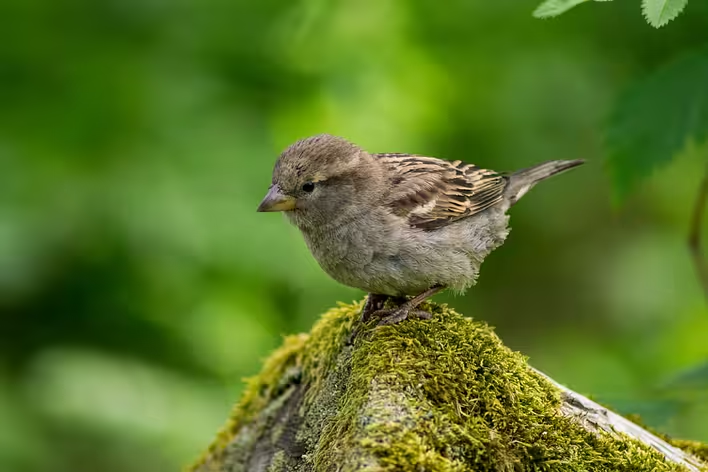
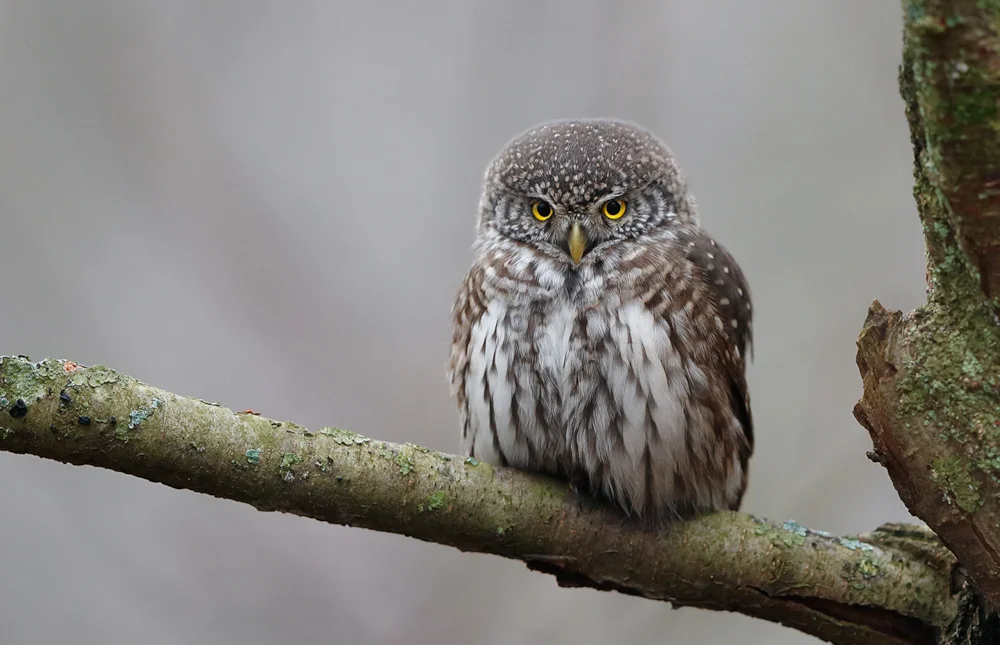
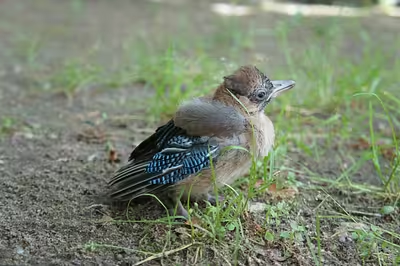
Many nature lovers have found themselves in a strange situation at least once. While walking in a park or forest, they noticed an unfamiliar bird: seemingly resembling a sparrow, thrush, or gull, but with unusual coloring, spots, or a strange pattern on its feathers. Such findings often raise questions: could this be some rare species?
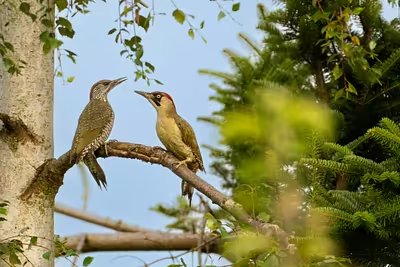
In fact, the answer is usually much simpler. It is very likely that you are looking at a juvenile bird — a young individual that has not yet acquired adult plumage.
What does the word "juvenile" mean
The term "juvenile" comes from the Latin word juvenilis, which means "young" or "youthful".
In ornithology, this refers to a young bird after the appearance of juvenile plumage, but before acquiring adult attire.
In fact, this is a kind of teenage period in the life of birds.
Just as a teenager in humans is no longer a child but not yet an adult, a juvenile bird is between a chick and a sexually mature individual.
Why young birds look different
For many species, it is characteristic that young individuals significantly differ from adults.
At first glance, this may seem strange. If an adult bird has beautiful and recognizable coloring, why does nature create the young to look completely different?
There are several reasons.
The most important one is camouflage. Young birds are often less experienced, fly worse, and are easier prey for predators. Therefore, their plumage usually has inconspicuous brown, gray, or mottled colors that help them hide among grass, bushes, or trees.
Moreover, bright adult coloring is often associated with mate attraction and courtship behavior. Young individuals simply do not need it yet.
The first change of "clothes"
After hatching, a chick is usually covered in down. Then it is replaced by the first true feathers — the so-called juvenile plumage.
Later, molting occurs, during which old feathers are gradually replaced by new ones. In many species, one such cycle is sufficient to acquire adult appearance.
However, some large birds require significantly more time.
Gulls — champions of transformation
One of the most well-known examples of juvenile plumage is gulls — birds that are often mistakenly called seagulls in everyday language.
Most people imagine a gull as white with gray wings. But young gulls often have mottled brown feathers with numerous spots and stripes.
Furthermore, some large species of gulls only acquire their fully adult appearance three to four years after hatching.
During this time, their coloring gradually changes, and the bird goes through several intermediate age stages. This is why determining the age of gulls is a separate interesting topic for ornithologists.
Eagles, falcons, and other predators
Among birds of prey, juvenile plumage can also differ significantly from adult plumage.
For example, young eagles often have more light spots on their wings and tails. In some falcons and hawks, even the pattern on the chest and belly changes.
This is why photographs of young predators often spark lively debates among bird enthusiasts.
Not just color
The juvenile age can be determined not only by coloration.
Young birds often exhibit other signs:
- shorter tail;
- less developed feathers;
- light edges of the beak;
- remnants of down around the head;
- different eye color;
- less pronounced feather pattern.
Experienced ornithologists usually pay attention to several such details at once.
Can a juvenile bird fly
In most cases, yes.
Many people find a young bird on the ground and immediately assume that it has fallen from the nest and needs help. In fact, it may be a fledgling — a young bird that has already left the nest but has not yet fully mastered the art of flying.
During this period, parents usually continue to feed and protect it.
This is why ornithologists often emphasize: if a young bird has no obvious injuries, it is better not to touch it at all.
The challenging life of a young bird
The period after leaving the nest is one of the most dangerous in the life of any bird.
Young individuals still lack sufficient experience. They are just learning to find food, avoid predators, navigate their surroundings, and interact with other members of their species.
It is during this time that mortality among many species is highest.
Those who successfully survive this stage get a chance to live to adulthood and create their own offspring.
A juvenile bird is not a separate species or a rare anomaly. It is a natural stage of life that almost every representative of the avian world goes through.
That is why the next time you see an unusual thrush, gull, or falcon with strange coloring, do not rush to look it up in the guide to rare species. Perhaps you are simply looking at a young bird that has not yet had the chance to "change into" its adult plumage.
And although its attire may look less striking, it is during this period that one of the most interesting transformations in the world of birds occurs.
For scientists, young birds are a valuable source of information.
Their numbers can be used to assess the reproductive success of a population. If many juvenile individuals are regularly observed in a certain region, it indicates that the species is successfully nesting and maintaining its numbers.
Moreover, observing young birds helps to better understand the processes of development, molting, and adaptation to the environment.